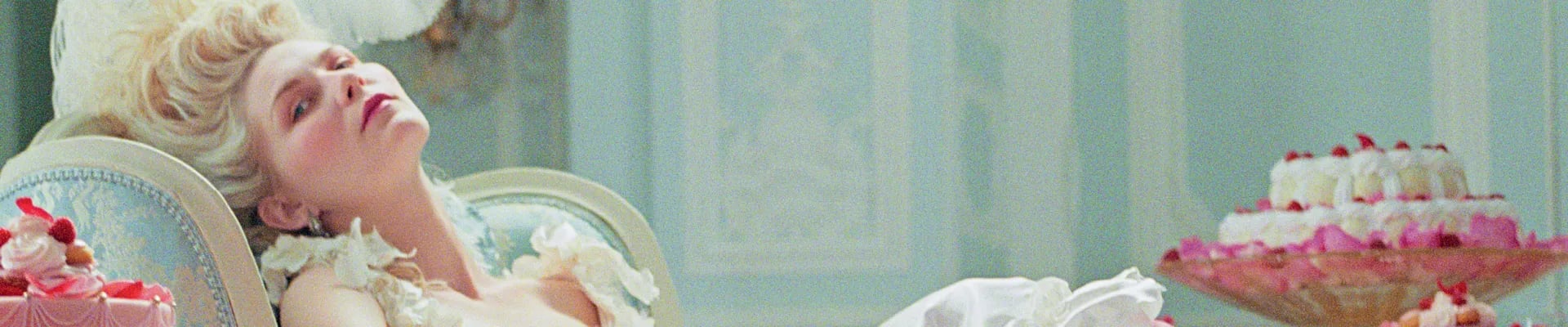
Exhibition on the Making of the film 20th Anniversary of "Marie Antoinette" by Sofia Coppola
Sofia Coppola, Milena Canonero
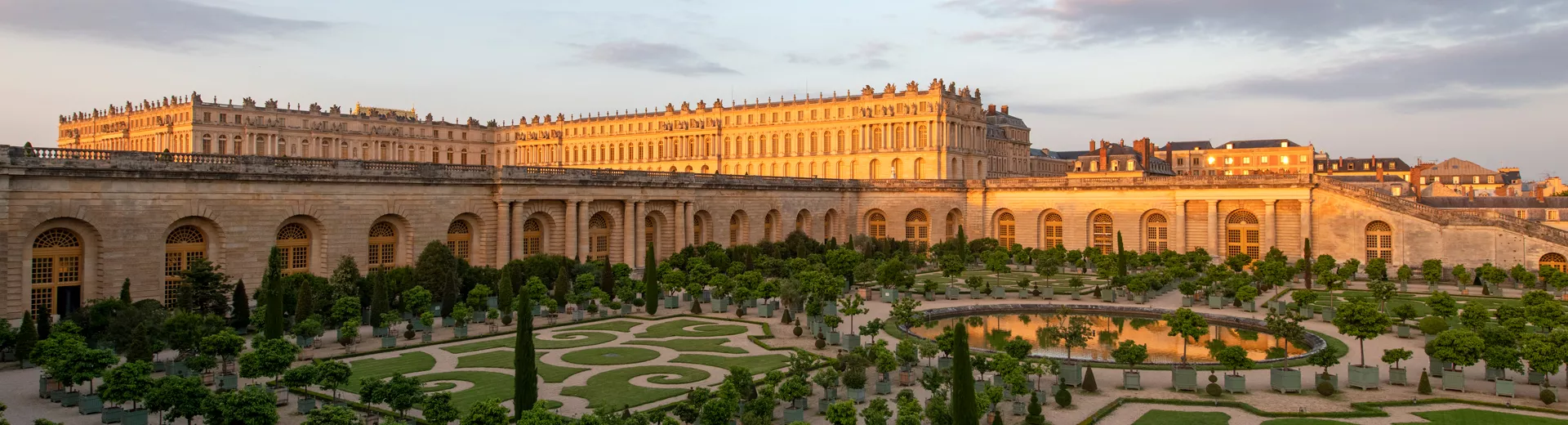
Palace of Versailles
Place d'Armes, Versailles, CA 78000
Château: Tue–Sun 9am–6:30pm (Apr–Oct), 9am–5:30pm (Nov–Mar). Closed Mon, Dec 25, Jan 1, May 1.
Admission
15€ (Estate of Trianon Ticket) or 35€ (Passport Ticket)
Exhibition accessible with the Passport Ticket (gives access to whole estate of Versailles) and the Estate of Trianon Ticket. Standard prices shown; reduced rates available.
About
From September 22, 2026, to January 24, 2027, the Palace of Versailles celebrates the twentieth anniversary of Sofia Coppola's film _Marie Antoinette_ with an exhibition at the Petit Trianon—designed in collaboration with the director—that explores the work's genesis, aesthetic choices, and cultural impact. Released in 2006 and filmed largely at the Palace of Versailles, _Marie Antoinette_ boldly breaks away from the conventions of historical biography to explore—in an intimate manner—a fascinating figure long obscured by legend. Vilified during the French Revolution, sanctified under the Restoration, and later aestheticized from the Second Empire onwards, Marie Antoinette emerges under Sofia Coppola's lens as a deeply human figure: a young woman grappling with isolation, boredom, and the constraints of court life. Now considered a cult film, _Marie Antoinette_ played a pivotal role in shaping a cultural icon that blends history, modernity, and pop imagery. Winner of the 2007 Academy Award for Best Costume Design, Sofia Coppola's distinctive aesthetic—balancing historical accuracy, contemporary boldness, and pastel refinement—gave rise to a genuine "Marie Antoinette style," the influence of which is still felt in fashion, design, and photography today. Presented at the Petit Trianon, the exhibition—conceived in collaboration with Sofia Coppola—invites visitors behind the scenes of the film's creation, showcasing original costumes by Milena Canonero, props, storyboards, annotated scripts, on-set photographs, set elements, and recreated spaces. Screenings allow visitors to view sequences in the very rooms where they were filmed, offering a unique experience where the historic setting and the cinematic reinterpretation dialogue with one another.