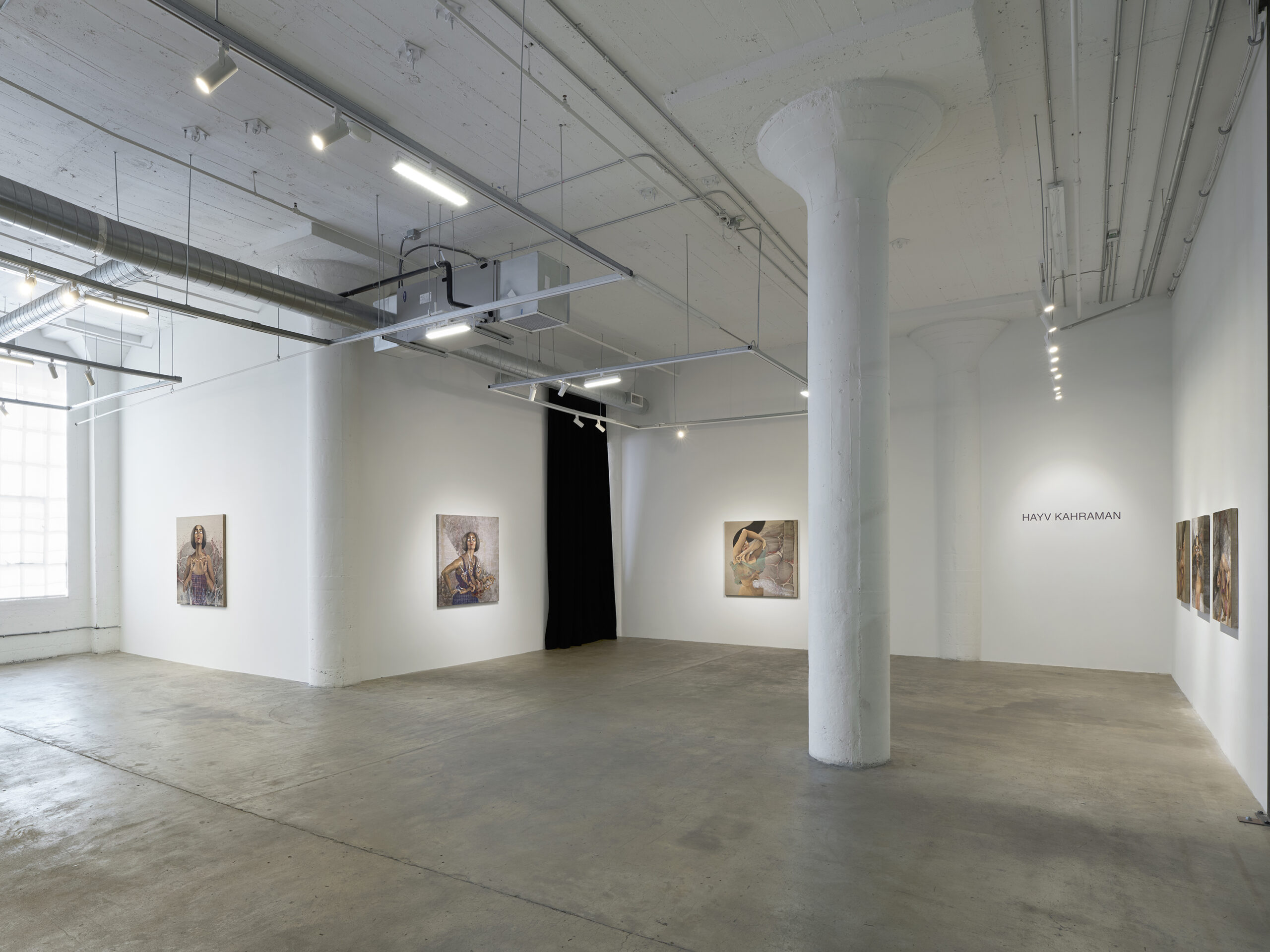
Hayv Kahraman: Libations
Hayv Kahraman

Vielmetter Los Angeles
1700 S Santa Fe Ave #101, Los Angeles, CA 90021
Tue-Sat 10am-6pm, by appointment
Admission
Free Admission
Commercial gallery - no admission fee stated
About
Vielmetter Los Angeles is thrilled to present Hayv Kahraman's third solo exhibition with the gallery, Libations, on view from February 7th through March 21st, 2026. Marking Kahraman's first exhibition in Los Angeles since her displacement resulting from the 2025 Eaton Fire in Altadena, the artist's newest body of work responds to an urgent question precipitated by the catastrophic events of the past year: What does one do when the world collapses? The works attempt to make sense of her experience of the fire and its enduring aftermath, while continuing her exploration of the poetics of loss, displacement, and migration. Kahraman views these works as an offering, a libation, to a burning world. The paintings invoke divination, ritual, and magic, not only in the dreamlike depictions of bodies in action, but in the materiality of their surfaces, which incorporate handmade flax and marbling techniques. The female figures in Kahraman's paintings are involved in mysterious and ritualistic acts –sewing a strand of tears, revealing a portal, rhythmically whirling and swinging their long hair in a circular dance. The figures act as talismans, summoning relief and protection from calamity and disaster. One talisman appearing in several of the paintings, a magic square, was painted following the instructions of one of the earliest books on Sufi magic written by Sufi master al-Būnī. With Arabic inscriptions buried in the swirling surfaces of the paintings, Kahraman references a mystical phoenix-like bird called the Anqā, who dwells at the edge of the world and is reborn through fire. Another recurring concept explored in the works is the Barzakh, an Arabic word that denotes a liminal space between the physical and the spirit world. Kahraman likens the Barzakh to the landscape of her home in Altadena, which exists in a transitional zone known as the wildland urban interface. This interstitial realm is a space of simultaneous peril and possibility – it is both a threshold to the unmitigated power of the natural world and an ecotone with profound abundance and surprising biodiversity. Kahraman's engagement with Sufism connects back to her mother's lineage from the ancestral lands in the Kurdish mountains of present-day Iraq, from which she was displaced during the first Gulf War in Iraq. The mysticism of Sufi thought offered a refuge from disenchantment and a path toward reclaiming ancestral knowledge that she had been taught to mistrust. Kahraman's newest works embrace imagination and the metaphysical as an antidote to the ravages of ecological disaster and devastating loss. The alchemical quality of the paintings underscores Kahraman's ability to give substance to the unseen, allowing for the convergence of the material and the spiritual.