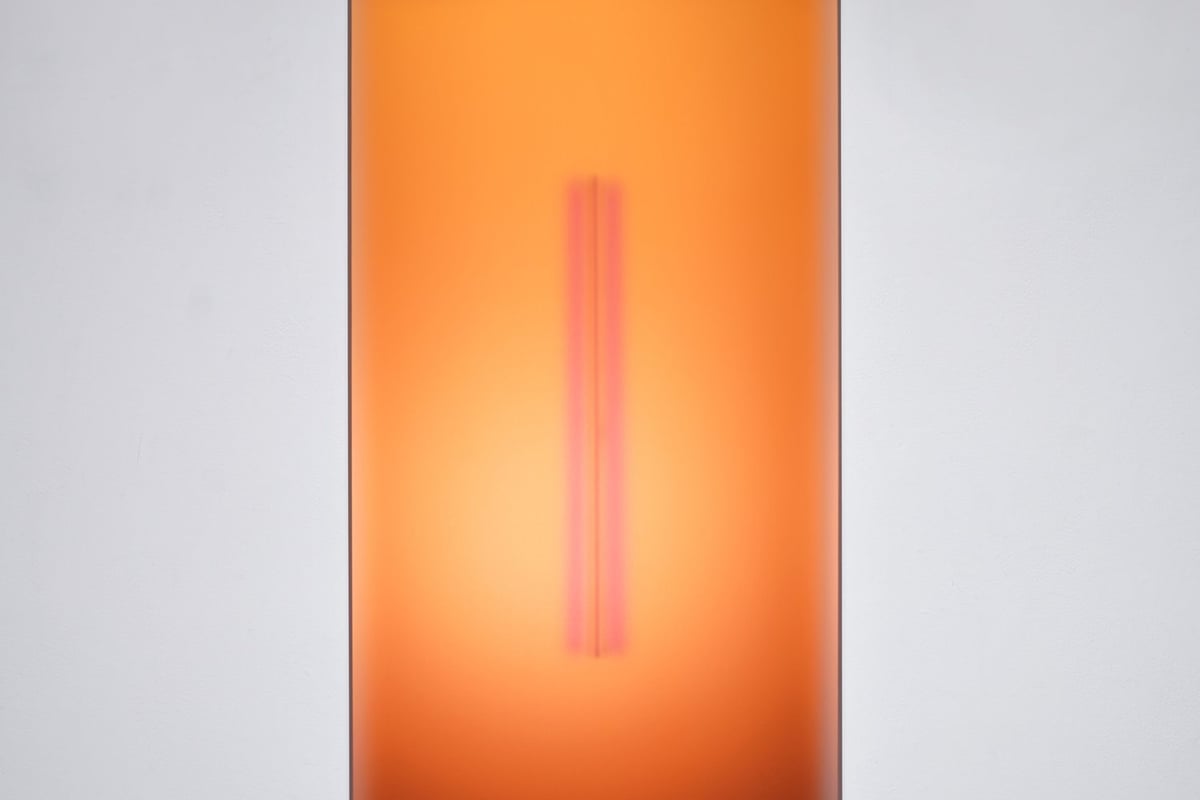
California Art: Selections from the Frederick R. Weisman Art Foundation
Lita Albuquerque, Peter Alexander, Charles Arnoldi, Natalie Arnoldi, Gilad Ben-Artzi, Fletcher Benton, Kelly Berg, Tony Berlant, Casper Brindle, Ronald Davis, Woods Davy, Michael Dee, Guy Dill, Laddie John Dill, Roy Dowell, Doug Edge, Ned Evans, Charles Fine, Sam Francis, Jimi Gleason, Joe Goode, Channing Hansen, Todd Hebert, Charles Christopher Hill, David Hockney, Gary Lang, Mimi Lauter, Peter Lodato, Renee Lotenero, Joel Morrison, Andy Moses, Ed Moses, Manfred Muller, John Okulick, Eric Orr, Ruth Pastine, Zemer Peled, Jessica Rath, RETNA (Marquis Lewis), John Rose, Ed Ruscha, Paul Rusconi, Ali Smith, Robert Standish, Roy Thurston, Vasa, Feodor Voronov, Roger Weik
Frederick R. Weisman Art Foundation
265 N Carolwood Dr, Los Angeles, CA 90077
Monday: 10:30 AM – 1:30 PM; Tuesday: 10:30 AM – 1:30 PM; Wednesday: 10:30 AM – 1:30 PM; Thursday: 10:30 AM – 1:30 PM; Friday: 10:30 AM – 1:30 PM; Saturday: Closed; Sunday: Closed
Admission
Free Admission
About
Since the 1960s, California has emerged as a center for Contemporary art that rivals New York in both accomplishment and innovation. Frederick R. Weisman was a pioneering collector whose rise as an influential patron paralleled the emergence of the Los Angeles Contemporary art scene. Beginning in the mid-1950s, he collected both international and Los Angeles–based artists, forming close personal relationships that shaped his collecting. Weisman was an early supporter of many artists who rose to prominence through the legendary Ferus Gallery, which opened in Los Angeles and was founded by Walter Hopps, Ed Kienholz, and, later, Irving Blum. Known for its unconventional exhibitions, Ferus played a central role in defining California Modernism. During this period, Walter Hopps emerged as an innovative young curator attuned to the idiosyncratic styles of Los Angeles artists, which had developed in relative isolation during the postwar years. Drawing inspiration from their daily lives and surroundings—the local terrain, vibrant sun, beach culture, blue skies, surfboards, and fast cars—these artists helped give rise to new movements such as Light and Space and Finish Fetish, as well as the Cool School, which later propelled Pop Art in the West and laid the foundation for the contemporary California art scene. Artists like Ed Ruscha , who worked with Hopps, drew inspiration from the crowded billboards and text signs he saw while cruising along Sunset Boulevard and the Pacific Coast Highway. At the same time, David Hockney embraced California's unique aesthetics, like swimming pools, bright skies, and a vibrant landscape, which he had not experienced back in his hometown in England. The art exhibited in California Art: Selections from the Frederick R. Weisman Art Foundation represents a range of dynamic movements that played a decisive role in shaping the visual arts in California.