The Way We Never Were: The American Professional Photographers Collection
Harvard Art Museums
32 Quincy Street, Cambridge, MA 02138
Tue–Sun 10am–5pm, Thu until 9pm
Admission
Free Admission
About
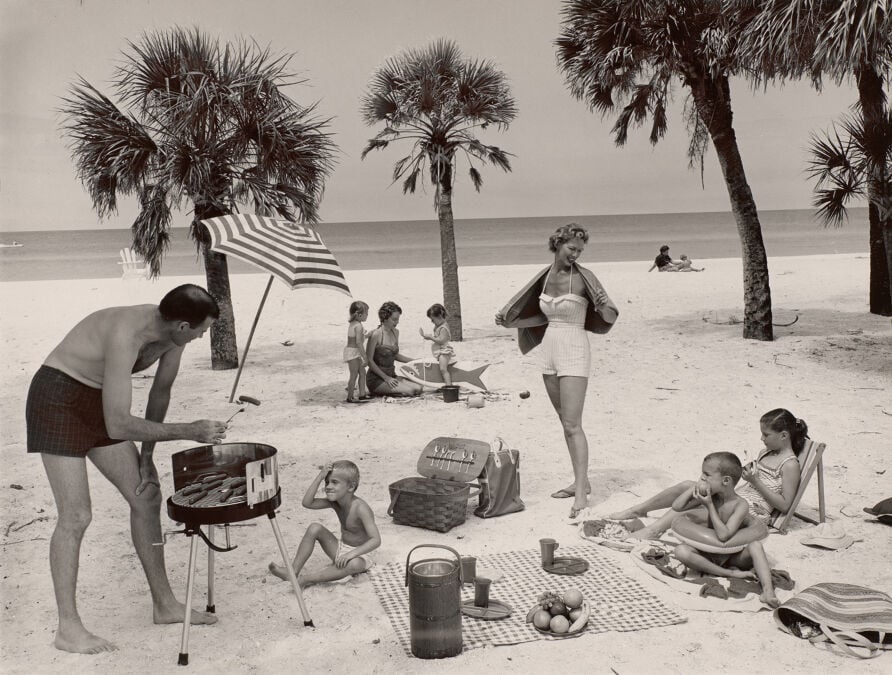
How did photography construct cultural memories of postwar America? Life in the United States after World War II is often remembered as a time of prosperity, stability, and ease. _The Way We Never Were_ examines the role that professional photography played in shaping this familiar image. Photographers working on commission for private clients, businesses, and civic organizations produced portraits and promotional images that did more than document everyday life—they staged and refined it, helping define how Americans saw themselves and their nation. Drawn from the Harvard Art Museums’ American Professional Photographers Collection, this exhibition brings renewed attention to a vast archive assembled in the 1970s by sociologist and curator Barbara P. Norfleet. The archive, comprising more than 20,000 photographs from studios active between the late 1930s and the early 1960s across the United States, depicts weddings, school events, corporate gatherings, and other social rituals—what Norfleet described as a “unique and valuable record of American life.” The exhibition traces how these commissioned photographs helped create a shared visual understanding of mid-century American culture, pointing not only to what was included, but also to what was left out of the photographic record. Organized around themes such as the postwar economic boom, the rise of suburbia, cultural conformity, and growing struggles for equal rights, the photographs in the exhibition reflect broader social tensions around race, gender, class, and belonging. By considering the tools, techniques, and commercial priorities that made these idealized images possible, _The Way We Never Were_ examines how postwar professional photography shaped an enduring vision of the past that continues to inform how it is understood today.