BeHere / 1942: A New Lens on the Japanese American Incarceration
Masaki Fujihata
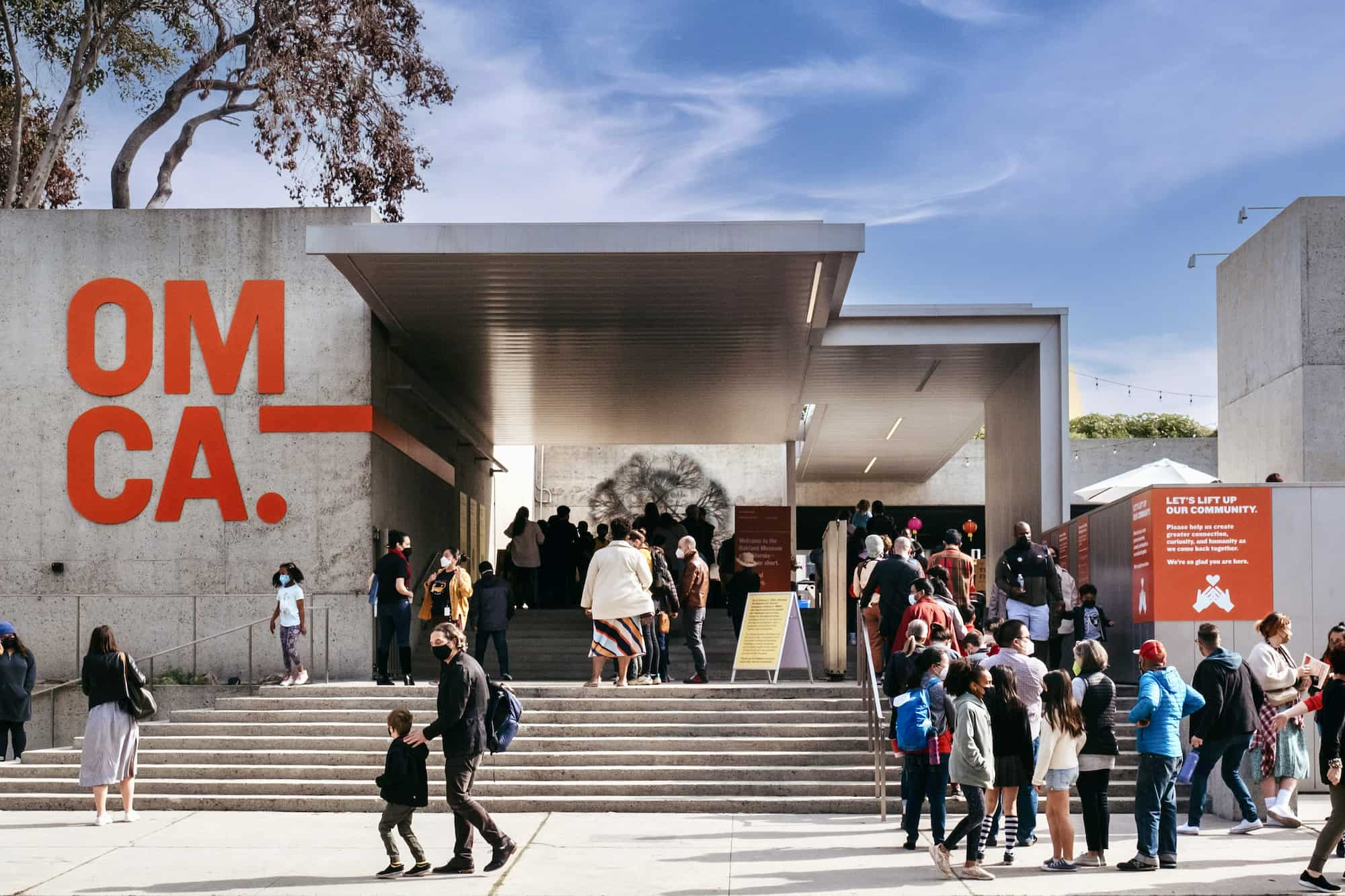
Oakland Museum of California
1000 Oak Street, Oakland, CA 94607
Wed-Sun 11am-5pm, Mon-Tue Closed
Admission
Paid Admission
Museum admission required. Members get unlimited admission to special exhibitions and galleries.
About
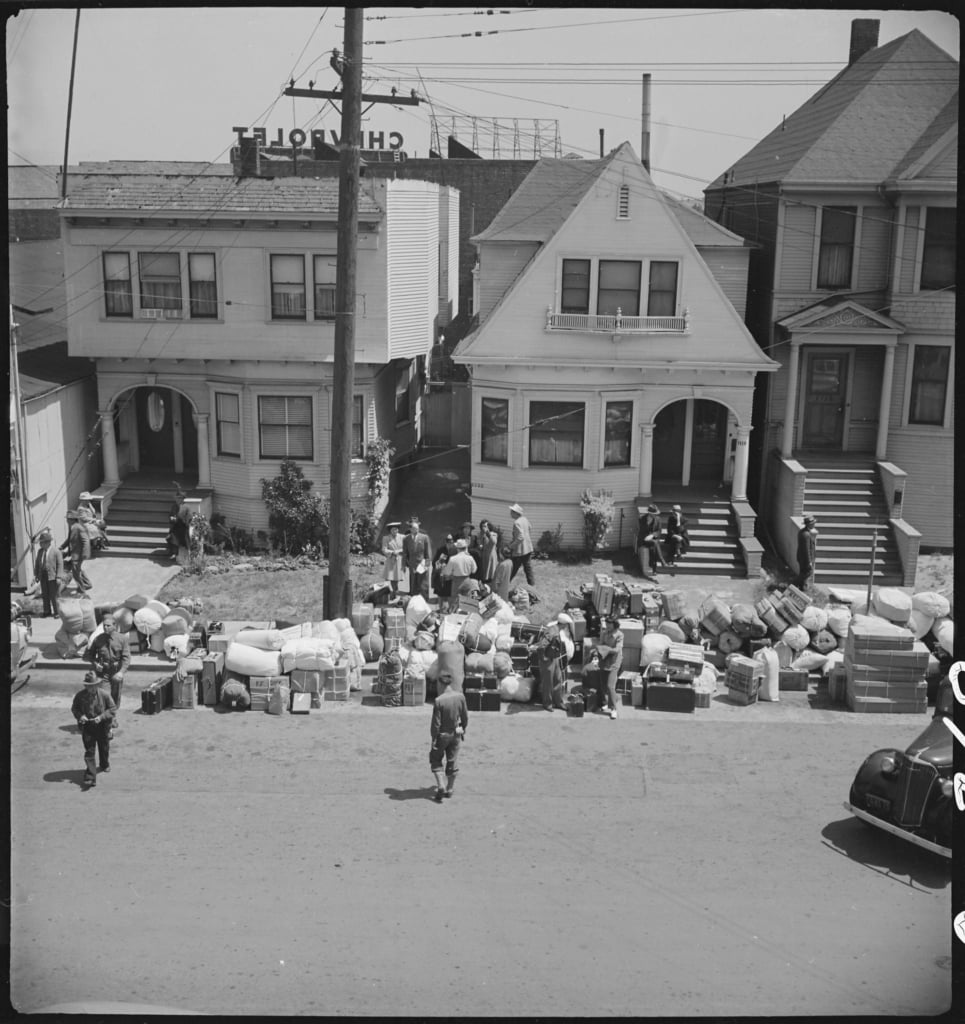
Can looking closely at photographs change what we see, know, and feel about this history? Japanese artist Masaki Fujihata explores this very question in _BeHere / 1942: A New Lens on the Japanese American Incarceration_. Through immersive installations of historic images and augmented reality (AR) experiences, the exhibition brings visitors into the moments of 1942—before Japanese Americans in Oakland, San Francisco, and Los Angeles were transported to concentration camps during World War II. Fujihata has spent years combing through the archives of famed photographers Dorothea Lange and Russell Lee, who documented the forced incarceration of Japanese Americans in the Bay Area and Los Angeles, respectively. In this exhibition, he enlarges, zooms into, and activates their images to encourage visitors to look more closely—at the emotions of each subject and at the power dynamics at play between the photographer behind the camera and people in front of it. Originally developed by the Yanai Initiative at UCLA and presented at the Japanese American National Museum in 2022, OMCA's exhibition features new elements specific to the Bay Area. Highlights include installations that draw from Dorothea Lange's 1942 photographs of San Francisco and Oakland, some taken directly across the street from what is now Oakland Museum of California. Fujihata also created a new three-screen video featuring local residents, some with connections to the story of Japanese American incarceration and others impacted by present-day anti-immigrant policies. Significantly, _BeHere / 1942_ extends into Oak Street Plaza, where a life-size image of Japanese Americans lined up to board buses creates the basis for an AR experience. When visitors look at the AR app, they will see images of buses and people moving as they might have in 1942 layered over the plaza.