Clair-obscur
Frank Bowling, James Lee Byars, Bruce Conner, Trisha Donnelly, Jean Dubuffet, Alberto Giacometti, Robert Gober, Pierre Huyghe, Saodat Ismaïlova, Laura Lamiel, Victor Man, Maria Martins, Jean-Luc Moulène, Fujiko Nakaya, Bruce Nauman, Philippe Parreno, Sigmar Polke, Carol Rama, Germaine Richier, Louis Soutter, Alina Szapocznikow, Yves Tanguy, Wolfgang Tillmans, Rosemarie Trockel, Bill Viola, Danh Vo, Mary Wigman
VeneKlasen
4 East 77th Street, New York, NY 10075
Admission
Full Price: 15€, Ages 18-26 and other reductions: 10€
Free entry without booking after 4 p.m. for Super Cercle members. Free, unlimited and priority access with Membership Card. Free late opening on the first Saturday of every month, from 5 p.m. to 9 p.m.
About
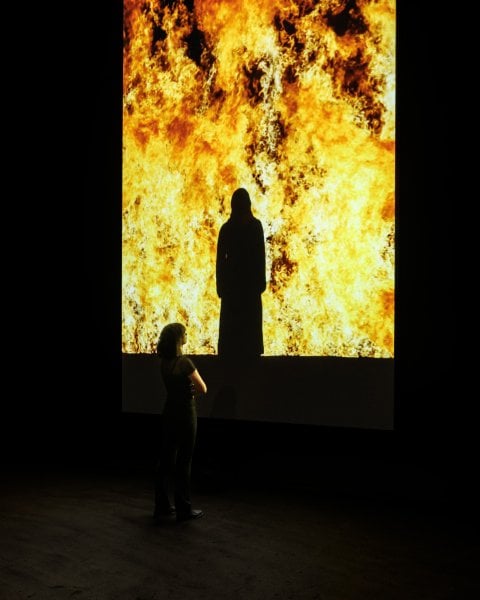
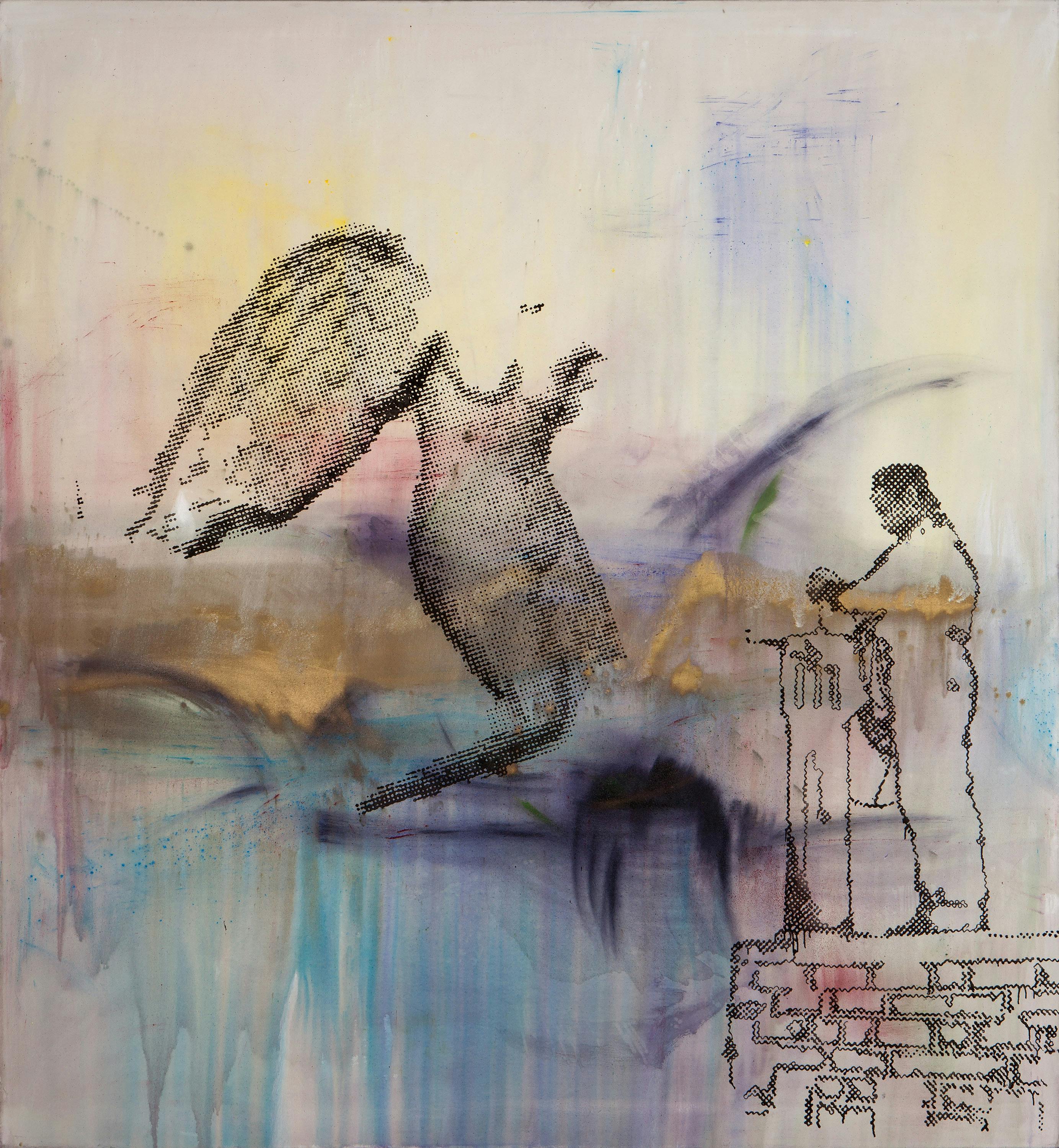
Drawing on the works of a hundred works from the Pinault Collection—and, for the first time, several modernist pieces—, the exhibition "Clair-obscur" explores the legacy of chiaroscuro as it resonates in the present day. Drawing on the ideas of the Italian philosopher Giorgio Agamben, the exhibition " Clair-obscur " transforms the spaces of the Bourse de Commerce into a landscape that is both luminous and crepuscular, in which some one hundred works from the Pinault Collection are revealed in an interplay of light and shadow. Using this Italian philosopher's thoughts as a starting point, the exhibition takes its title from the famous technique of chiaroscuro that first emerged in Mannerist and Baroque paintings in the sixteenth century, most notably in the works of Caravaggio, who intensified its use, plunging the earthly worldinto a deep darkness penetrated by rays of light that heighten the sense of dramatic tension and the spiritual questions underlying his paintings. In continuation of this journey into the heart of darkness, Goya expressed all the darkness of humanity in his work, and the chiaroscuro he perfected continues to impact contemporary works with its sense of depth and mystery, such as Sigmar Polke 's hallucination of a chapel, Axial Age (2005-2007). Philippe Parreno , who reinterprets the black paintings of the Quinta del Sordo by candlelight, reminds us how much this alchemical cycle opened the floodgates of our modern sensibility. Chiaroscuro thus emerges as a renewed visual and symbolic language, a narrative device, and a philosophical principle. It expresses the materiality of light and the shadow areas of our subconscious, thus transforming our sense of the visible and the invisible.