Manuel Neri: Selected Works by Ruby Neri
Manuel Neri, Ruby Neri
Salon 94
3 E 89th St, New York, NY 10128
Wed-Sat 11am-6pm
Admission
Free Admission
About
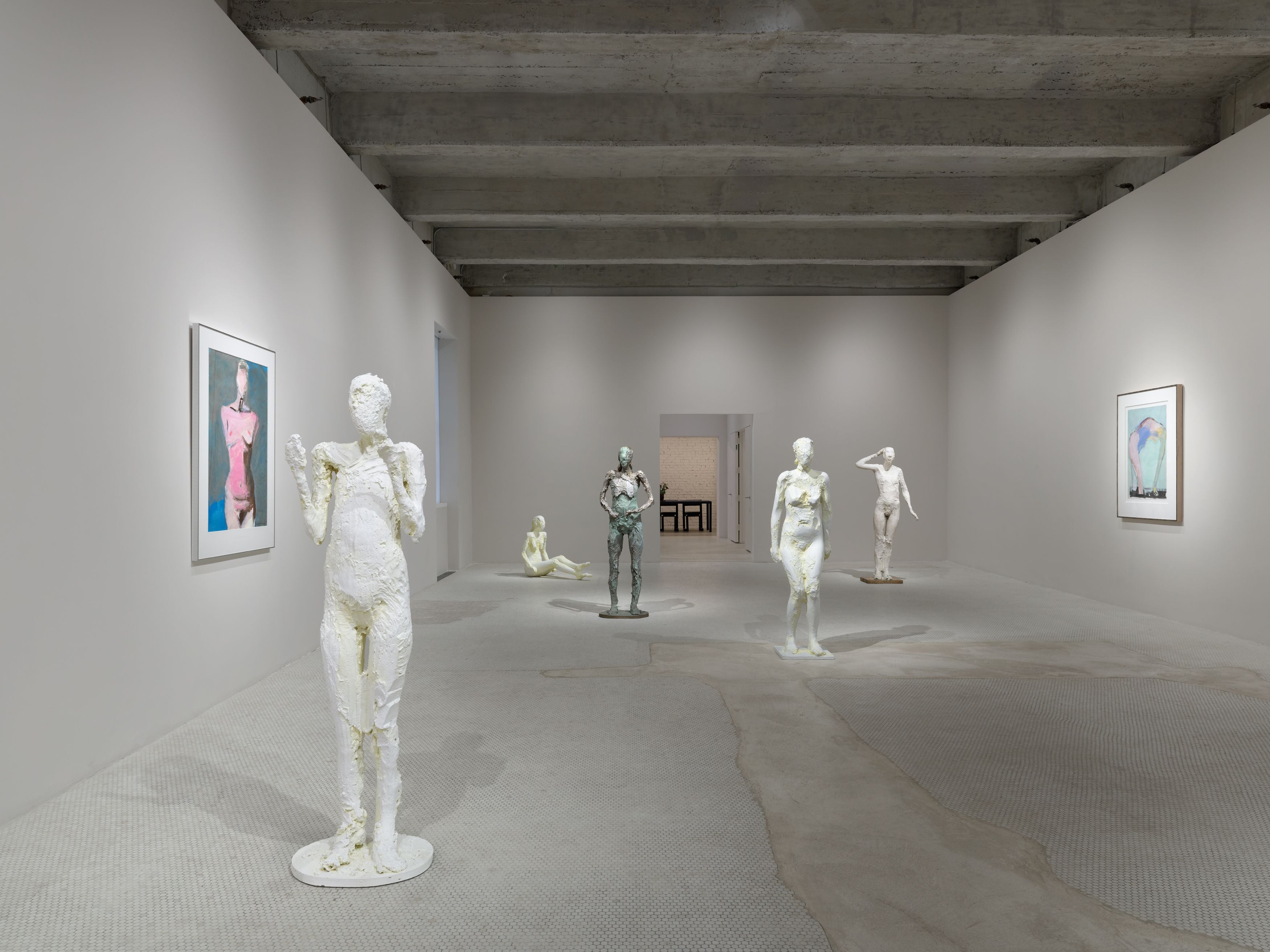
Salon 94 and Andrew Kreps Gallery present the first posthumous solo exhibition of Manuel Neri (1930–2021), curated by his daughter, artist Ruby Neri. Spanning both galleries uptown and downtown, the exhibition gathers plaster sculptures, bronzes, and works on paper from the late 1950s through the 1980s—a meditation on a practice defined by unwavering commitment to the hand, the figure, and the process of making. Through Ruby's eyes, Manuel's work is recognized for what it always was—trailblazing, uncompromising, and essential to the broader historical canon of postwar American art. As Abstract Expressionism dominated the 1950s, Manuel Neri insisted on the figure, treating the human form as a structure similar to that of a canvas—exploring weight, gesture, and the persistence of touch—a commitment that would define his practice for the next four decades. His figures embody every scrape, gouge, and splash of paint as evidence of their own becoming. These are bodies built up and carved away, creating haptic surfaces that record Neri's hand at work. Color functions not as decoration but as structure—slashes of blue and ochre emphasize volume and movement, lending painted bronze or plaster a surface dynamism. The plaster works from the 1970s are the most immediate: material added to armatures, then carved back to reveal form, eventually constituting life-sized figures. Among the works on view are sculptures from his Mary Julia series, a collaboration spanning over twenty years that became central to Neri's practice. A poet, artist, and model for both Neri and Joan Brown, Mary Julia Klimenko was a fixture of the Bay Area art scene, her presence woven through the work of artists from that period. The exhibition also includes a rare drawing of Joan Brown, Neri's second wife and artistic collaborator. Together these figures—Mary Julia, Joan Brown—formed the broader constellation of artists, models, and makers who shaped the creative landscape of the Bay Area from the 1960s through the 1980s. His bronzes, cast from plaster originals, retain every texture and mark, translating immediacy into permanence. Works on paper from the late 1950s reveal drawing as an autonomous practice—not preparatory studies but fully realized investigations of the figure, rendered in graphite, ink, and pigment with the same gestural force as his three-dimensional work. Across both galleries, bronze and plaster figures—crouching, sitting, stretching—are placed directly on the floor without pedestals, while drawings and paintings line the walls, evoking the sacred, cluttered intimacy of a working studio. For Ruby Neri, the exhibition is a meditation on what a parent's work means when looked at not with critical distance but with the intimacy of shared history—and shared devotion to artistic practice. This exhibition becomes not only a tribute to an artist and father but an acknowledgment of lineage: the energy, the dedication to making, the belief that creativity itself is a life force passed from one generation to the next.