Lynda Benglis: KNOTTING, TYING, FOLDING
Lynda Benglis
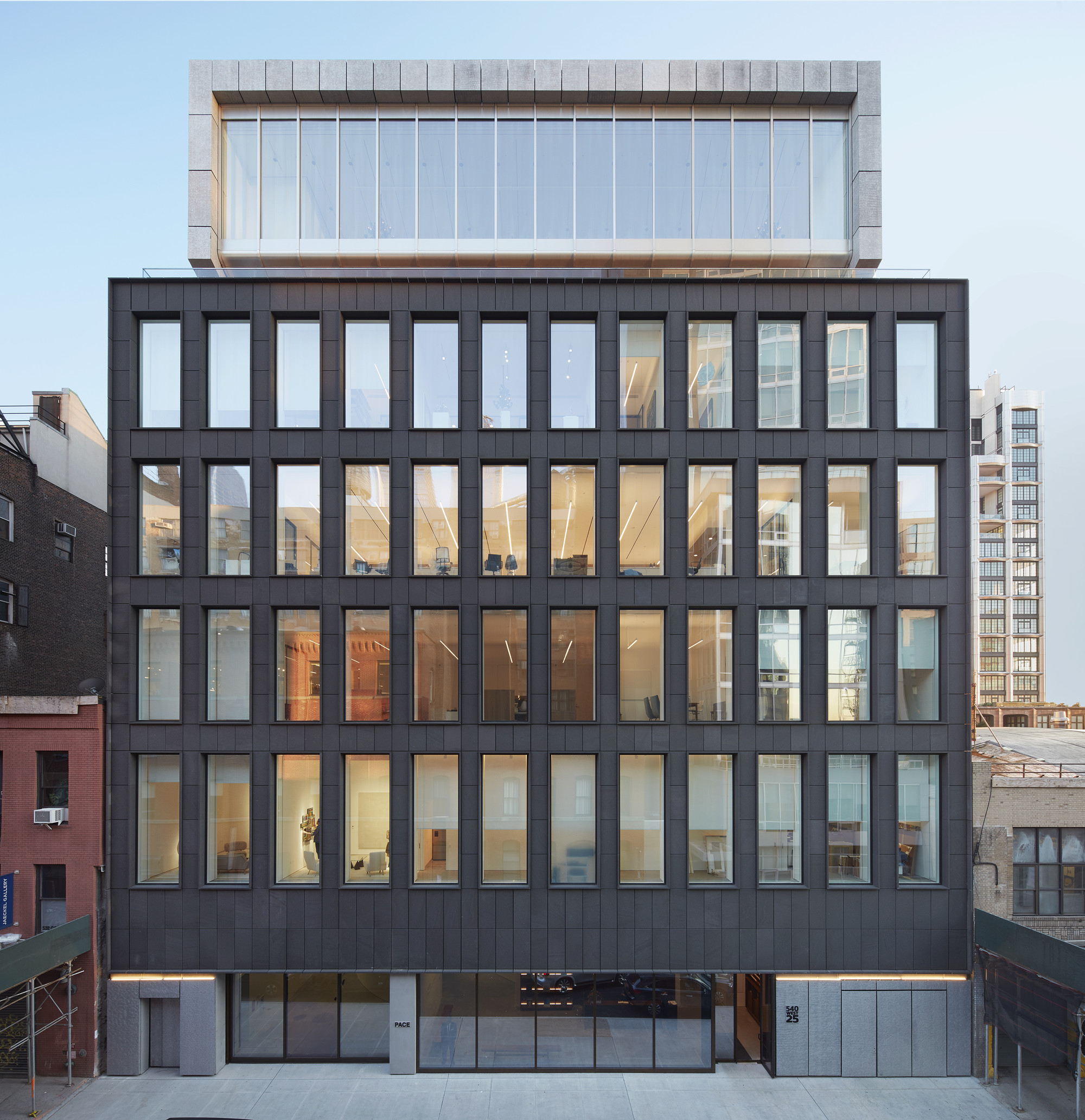
Pace Gallery New York
540 W 25th St, New York, NY 10001
Tue-Sat 10am-6pm, Sun-Mon Closed
Admission
Free Admission
About
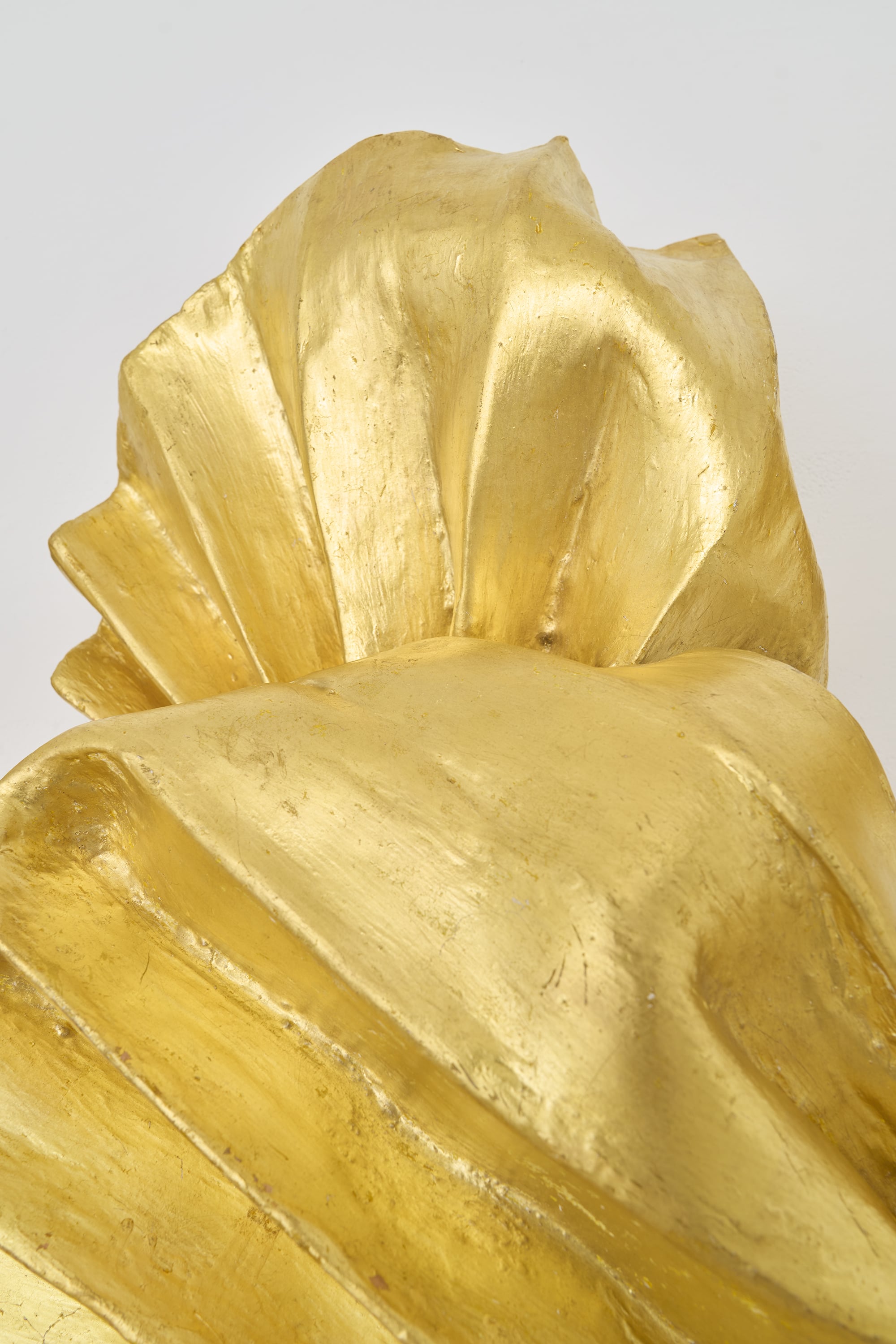
Pace will present _KNOTTING, TYING, FOLDING_, an exhibition of sculptures by Lynda Benglis, at its 540 West 25th Street gallery from September 11 through October 24. Alongside glazed ceramic, bronze, pleated, and paper works created by Benglis between 1972 and 2024, the presentation will also spotlight rarely exhibited glass sculptures from 1985. Since the late 1960s, Benglis has developed her lively, flowing forms across a wide range of materials—from beeswax, latex, and polyurethane foam to later innovations with plaster, gold, vaporized metals, glass, ceramics, and paper. Emerging amid the rise of Postminimalism, she set herself apart from her contemporaries with an enthusiastic embrace of vivid color and sensuous, organic surfaces. She has continuously pushed the boundaries of painting and sculpture over the course of her career, engaging in a radical investigation of sensorial perception. _KNOTTING, TYING, FOLDING_ will feature a robust range of sculptures created by Benglis over more than five decades, illuminating her use of diverse methods and materials. The earliest work in the show is _Sparkle Knot IV_ (1972), a knotted tube of wire mesh covered in plaster, paints, and sparkles. _Sparkle Knot IV_ signals the initiation of processes that Benglis would go on to transform and develop across further series also on view in Pace's presentation, from the vibrant gold-leafed and metallized pleats and glass works of the 1980s, to the painterly, extruded and folded ceramics of the 2010s, all the way to her more recent _Elephant Necklace_ and paper works, where knotting gives way to open, expansive forms. "My involvement with surfacing of objects usually swings back and forth between extremes of coloration and texturing," Benglis has said. "I always go from one pole to the other—it is one way of discovering things about the surface and color's relationship to form." A selection of pleated wall-mounted sculptures from 1982 through 1990, in which "the light, and the change of light, was a goal," in the artist's words, will figure prominently in the exhibition. For these works, Benglis first took accordion-pleated wire mesh—a process she has likened to creating paper fans as a child—before knotting, tying, and twisting it into dynamic configurations that were then covered in plaster and gold leaf or, later, sprayed with vaporized metal. The wall-mounted works continue with a selection of paper sculptures from 2016 through 2020, which are composed of chicken wire covered with handmade paper that may be painted or saturated with sparkles. "They're objects made of wet paper that's been stretched, like a skin, on wire that I've contoured," Benglis has explained. "I make marks on the paper of various sizes, densities, and characters. I realized that I make drawings the way I do because I see a surface as being spatial." A group of lesser-known sand cast glass works from 1985 will also feature in _KNOTTING, TYING, FOLDING_. For these unique sculptures, Benglis laid colorful glass shards, enamel eyes, and pigment-like powdered glass inside a shape molded in sand, into which she poured molten black or clear glass. Using Kevlar gloves and sticks, she then handled the molten glass in a highly physical process that she has called "a play-dance activity," bending and tying it into knots. The resulting works are playful and abstract, gesturing toward both living beings—as indicated by titles like _Desert Pupfish_and _Gila Top Minnow_—and celestial bodies, with flecks of luminescent color on black ground. Other free-standing sculptures in the exhibition include large-scale, reflective bronze works from recent years, in which rounded organic shapes seem to undulate and shift as viewers move around them, as well as small ceramic works from the 2010s, with Benglis's signature folds, loops, and cascades embellished with expressionistic swathes of glaze. "The ceramics, for me," Benglis said, "were about how to make gestures, an architecture of gestures, and how to make a painting physically—how to present it so that they're coming together and you have a kind of explosion or implosion of forms." _KNOTTING, TYING, FOLDING_ will also highlight the multi-part sculpture _Elephant Necklace_ (2016), a glazed ceramic masterwork that comprises 37 abstract elements rendered in black monochrome and arranged in a circle on the floor. Recently exhibited by Pace at the first edition of Art Basel Qatar, the work is part of the artist's _Elephant Necklace_ series, in which she explores movement, fluctuation, and organic growth through biomorphic looping forms.