Rana Begum
Rana Begum

Lehmann Maupin - 501 West 24th
501 W 24th St, New York, NY 10011
Tue-Sat 10am-6pm
Admission
Free Admission
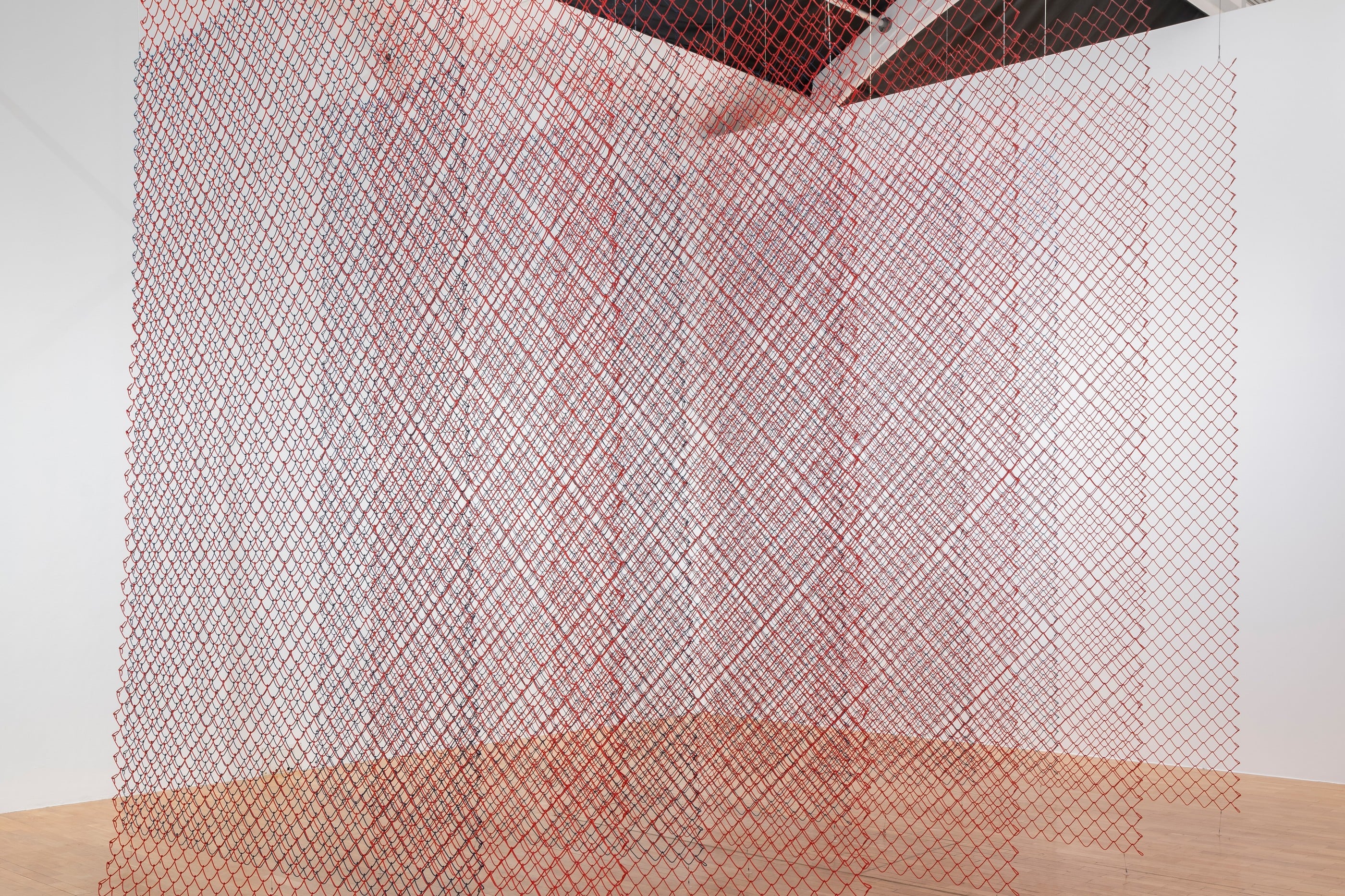
About
Lehmann Maupin is delighted to showcase Rana Begum's first solo exhibition in New York. Over the past two decades, Begum has cultivated a distinctive visual language that explores abstraction through a phenomenological lens. Central to her work is light, which she treats as both subject and medium, allowing her sculptural works to absorb, reflect, and transform their surroundings in ways that feel both temporal and sensorial. The exhibition follows Begum's U.S. museum debut at the SCAD Museum of Art in Savannah and coincides with a series of public projects and exhibitions, including her recent site-specific commission for _Climate Clock_, an urban art trail in Oulu, Finland, organized as part of the European Capital of Culture program to promote environmental awareness. Notably, Begum is also one of three contemporary artists featured in a major outdoor sculpture exhibition at Kew Wakehurst in Sussex, England, alongside iconic works by Henry Moore. In fall 2026, Begum will unveil new site-specific commissions at the Ismaili Center in Houston, Texas, and Towner Eastbourne in Eastbourne, England. Drawing on the history of geometric abstraction—as well as the practices of artists such as Agnes Martin, Donald Judd, Mary Martin, Sol Lewitt, and Tess Jaray—Begum's work is informed by both the urban environment and the geometric motifs of Islamic art and architecture. This is exemplified in her commission for the MFA Boston's reinstalled Art of Islamic Cultures Gallery, where her site-specific work responds to the ornate sandstone arch typical of South Asian Islamic architecture. The influence of Islamic art and the spiritual importance of repetition and meditation is also at the heart of Begum's practice. Often using industrial materials and reflective surfaces, Begum creates visually dynamic experiences that shift with the viewer's perspective and environment. Begum's focus on symmetry and rhythm evokes a sense of the infinite, creating contemplative spaces.