N. Dash: Geophilia
N. Dash
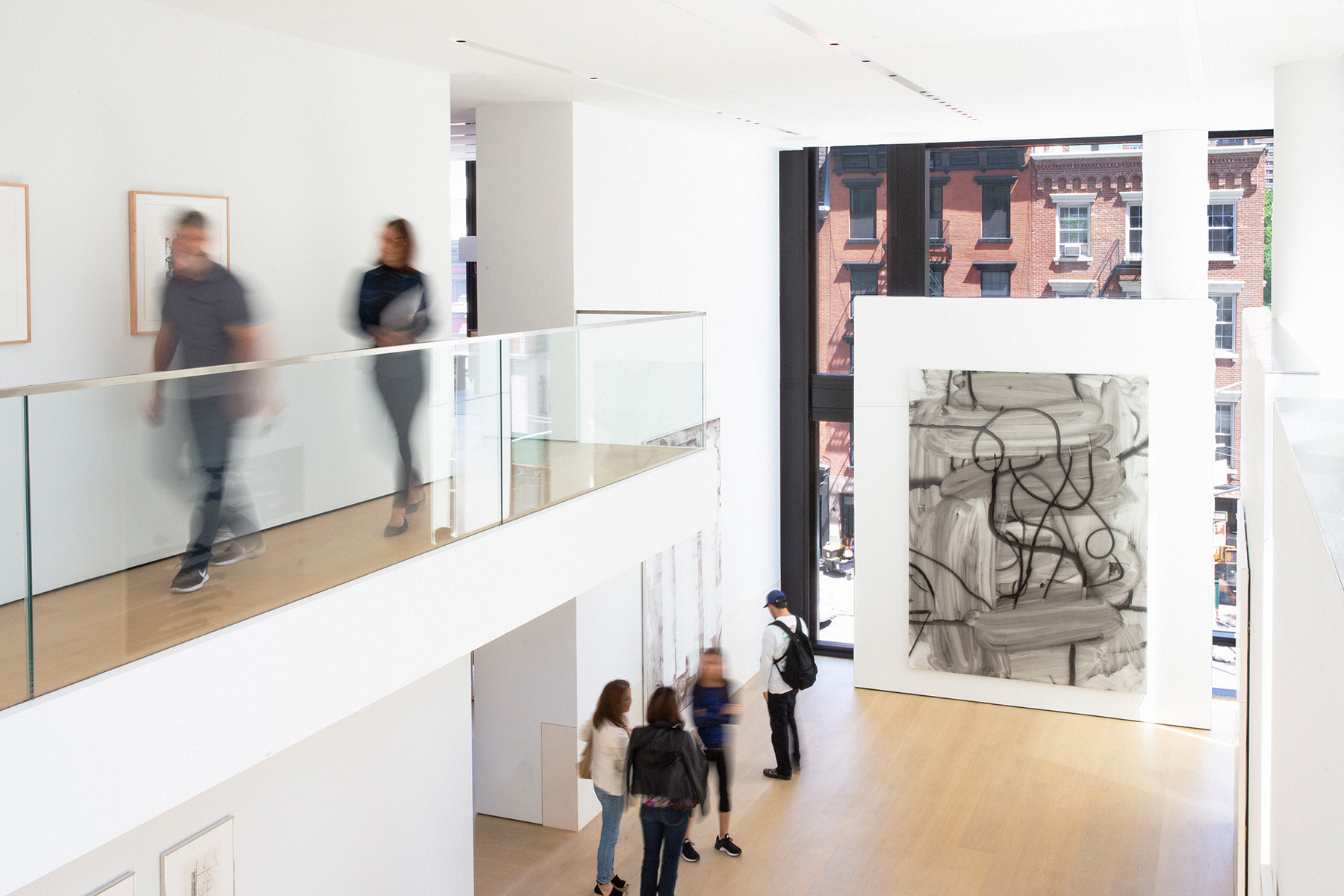
Hill Art Foundation
239 10th Ave 3rd floor, New York, NY 10001
Tue-Sat 11am-5pm
Admission
Free Admission
Open to the public Tue-Sat, 11AM-5PM
About
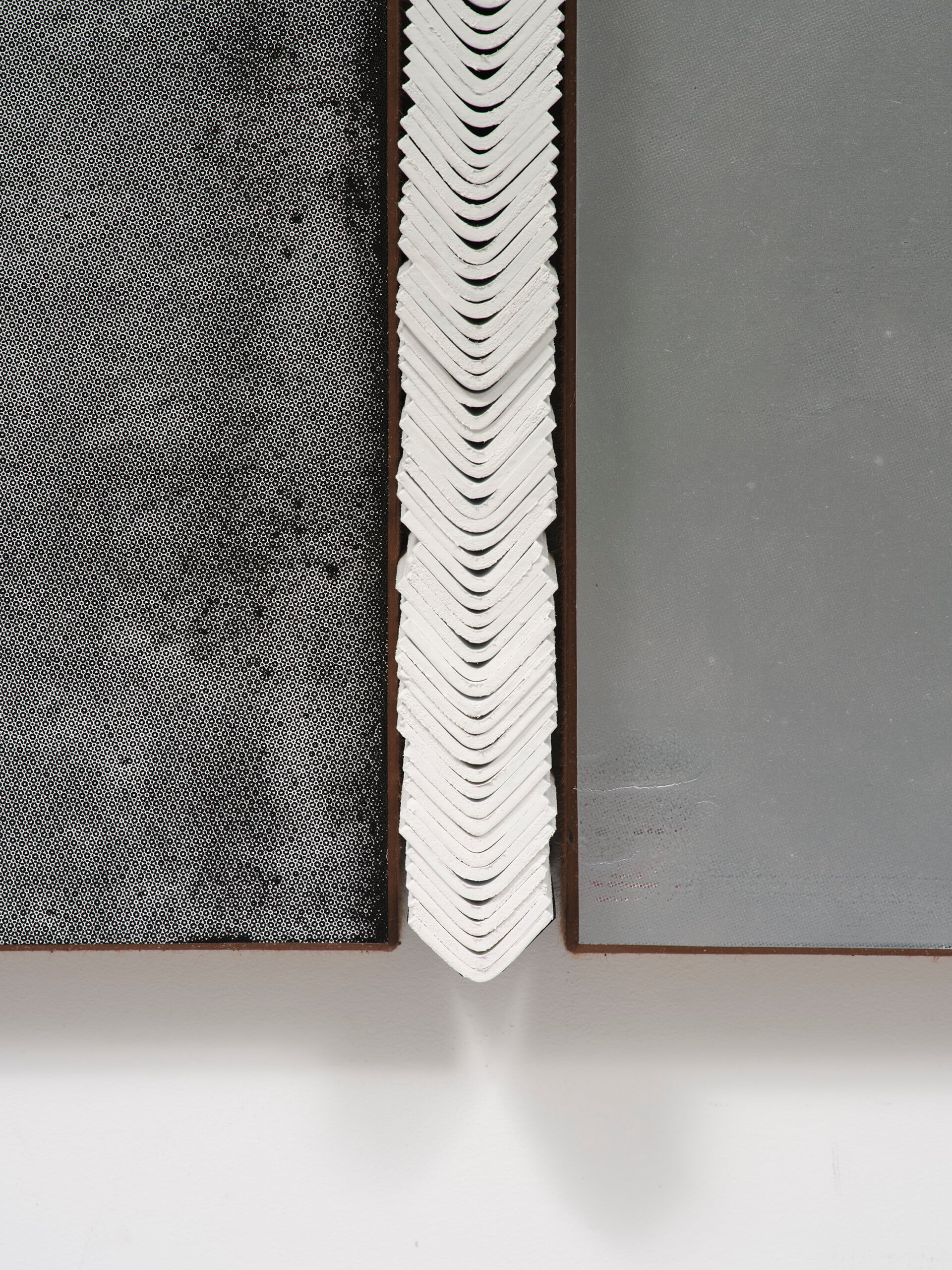
The Hill Art Foundation is pleased to announce N. Dash: Geophilia, an exhibition of new and recent works by the Brooklyn-based artist N. Dash (b. 1980), shown with selections from the Hill Collection. The presentation is curated by Suzanne Hudson. Geophilia centers N. Dash's commitment to vital forms of materiality, where accumulations of time and force become emergent compositions. The artist works fabric to the point of fraying, then photographs these diminutive sculptures—entropic objects still holding energy—and overlays their silkscreened images onto earthen grounds. Incorporating a range of materials, including acrylic and oil paint, string, and graphite, N. Dash's often multi-panel abstract paintings thus bear traces of having been touched or structured by rituals and pragmatics of handling. The large-scale, almost topographic paintings are nevertheless unremittingly intimate. Here, seen in tandem with transhistorical art, they open onto experiences of contemporary embodiment. These new paintings also include nitrile gloves, cardboard corners, Styrofoam, straight-edge rulers, and a hand towel—tools that serve as indices of making but also allegories of work more broadly in which the nonhuman stands in as the epistemological partner. As the title, Geophilia (from the Greek, geo / earth + philia / loving), suggests, beyond such studio readymades, N. Dash works with organic materials, staying close to the ground. "earth" is a key ingredient, ubiquitous on the materials list. N. Dash spreads mud, casting a support that is later layered with other elements. The surfaces of the paintings themselves redouble the terrestrial ecosystems from which they emerge, rounding out from below or cracking in matrices of interconnected lines. Resulting from interrelations of the body, technology, and the land, these paintings ask of the nature of relationships between subject and environment—questions necessarily material, but also ethical and political.