A Language We Share: Beverly Price and Gordon Parks
Beverly Price, Gordon Parks
Center for Art and Advocacy
22 Bancroft Pl, Brooklyn, NY 11233
Wed-Fri 12pm-6pm, and by appointment
Admission
Free Admission
About
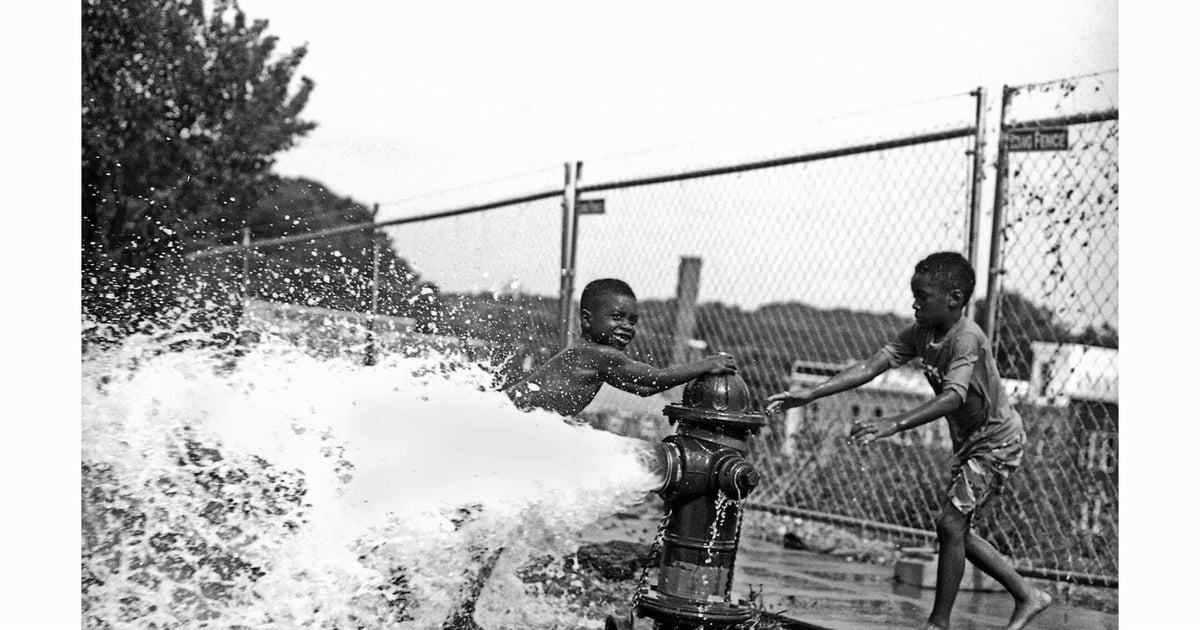
The Center for Art and Advocacy is pleased to announce A Language We Share: Beverly Price and Gordon Parks, an exhibition featuring an intergenerational dialogue between Beverly Price (2023 Center Fellow) and Gordon Parks, one of the most significant and impactful American artists of the 20th century. By placing their works in conversation, A Language We Share considers how photographs function simultaneously as historical documents and symbolic forms, transmitting meaning across time. Rather than positioning the artists as past and present, the exhibition understands their images as occupying a shared continuum, speaking both forward and backward through enduring ethical commitments to dignity, truth and social responsibility. The exhibition is anchored by a visual language and geographical focus shared by both Price and Parks. Price began working with the camera in 2016, ten years after returning home from incarceration. She started documenting life in her hometown of Washington, D.C., focusing on the Southeast Anacostia neighborhood and the Barry Farms community. Her work centers the experience of children in those communities, showing how their everyday lives can be and so often are defined by spontaneity and possibility. By showing them in moments of reverie, Price aims to preserve and protect forms of childhood that are routinely eroded in hyper-violent and over-policed environments. Through the act of image-making, she asserts care as a form of protection across time—rooted in lived experience, accountability and personal reckoning. Price's photographs echo those made by Gordon Parks in the same neighborhoods and at the same sites in 1942, when he produced images that would become foundational documents of Black life in Washington, D.C. Upon winning the Julius Rosenwald Fellowship in 1942, Parks took a position with the photography section of the Farm Security Administration (FSA) in Washington, D.C. and, later, the Office of War Information (OWI). Working for these agencies, which were then chronicling the nation's social conditions, Parks quickly developed a personal style that would make him among the most celebrated photographers of his era. Parks' photographs—at once timeless and unmistakably of their era—model the camera as both witness and moral instrument. Price's work extends the example of Parks forward—not through imitation, but through continuation. A Language We Share frames the historical dialogue between their work around the images of children that encapsulate much of the aspirational quality and social critique latent in their photographs. Sometimes tender and playful, at other moments poised with quiet resolve, the children depicted by Price and Parks appear as active participants in the futures they imagine. Though taken across decades, these images insist that the struggle for civil rights unfolds at the level of everyday human relationships and that joy and play persist not as detours from justice, but as embodied expressions of it. Bolstering both the argument and effect of the images of children are those of social and political protest, a category of picture-making that was essential to Parks' life and work for the way it expressed the importance of advocacy and solidarity, the lineage of which Price carries forward into the future. For both artists, photography serves as a means of publishing a first draft of history—one that remains open, unfinished and carried by those who inherit it.