People Make Art: A Tribute to Melvin Edwards
Frank Bowling, Melvin Edwards, Sam Gilliam, Jack Whitten
Alexander Gray Associates
384 Broadway, New York, NY 10013
Tue-Sat 10:30 AM - 6:00 PM
Admission
Free Admission
About
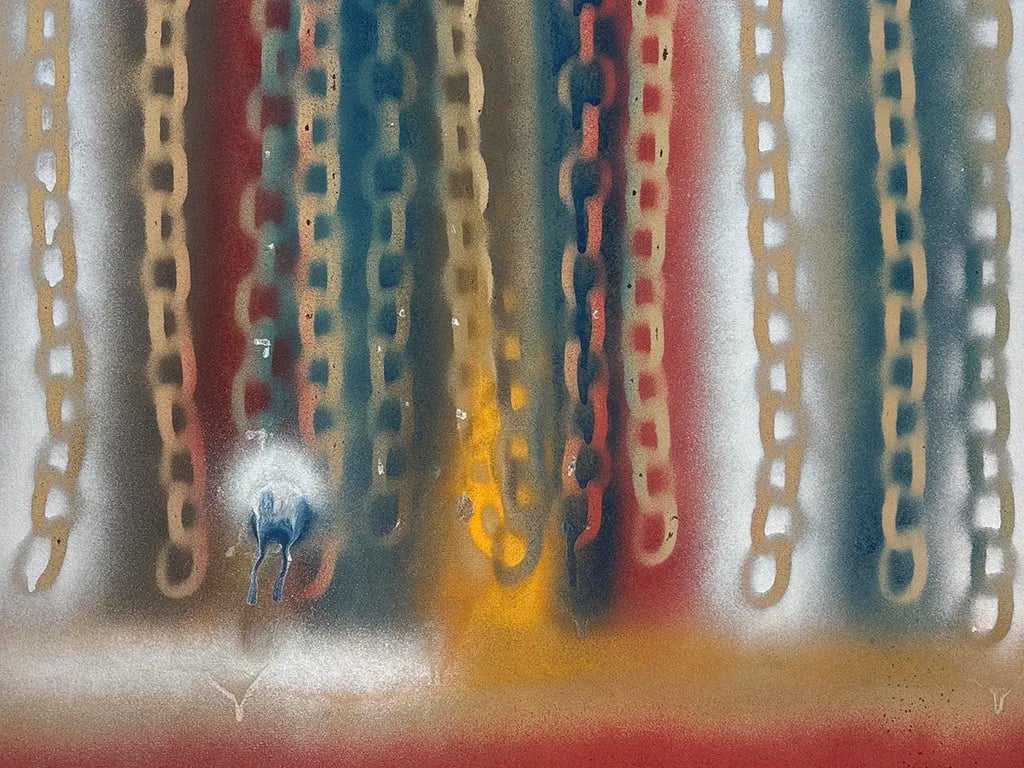
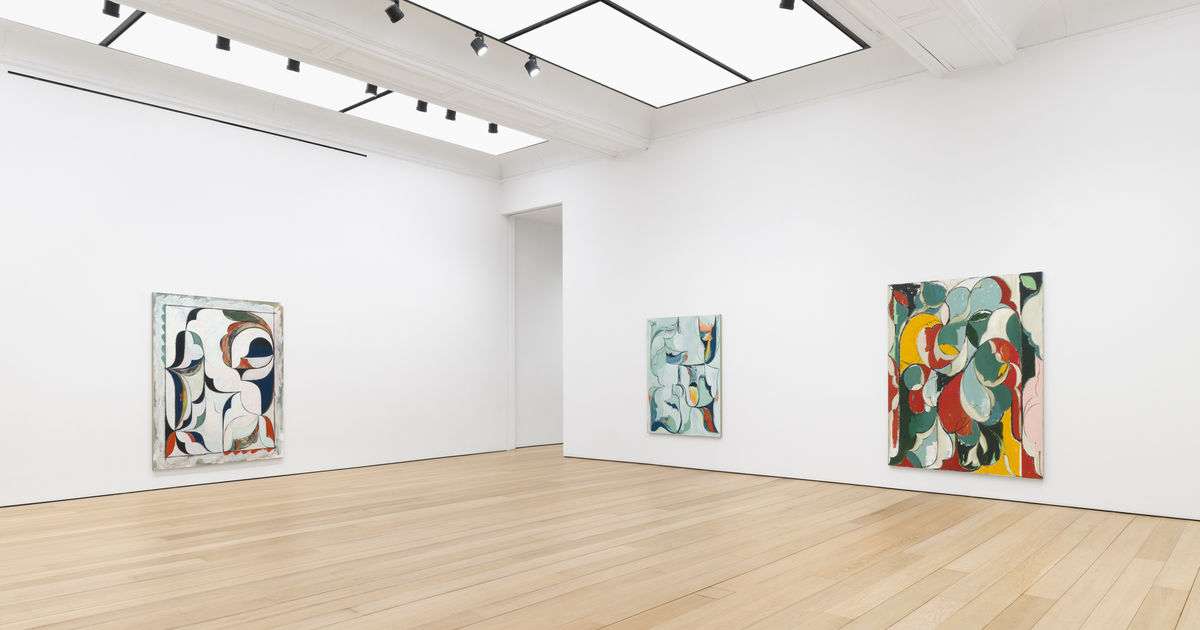
Alexander Gray Associates presents _People Make Art: A Tribute to Melvin Edwards_, an exhibition that explores the life and practice of the acclaimed sculptor through the work of fifteen artists who knew him. Rather than attempting to define the full scope of Edwards's (b.1937, Houston, TX; d. 2026, Baltimore, MD) artistic community, the show traces one constellation within a far larger universe of relationships, illuminating the generosity, curiosity, and spirit of exchange that animated his work for more than six decades. Featuring paintings, sculptures, and works on paper from 1954 to 2024, _People Make Art_ reflects the extraordinary breadth of Edwards's artistic engagement and the enduring vitality of his artistic community. The exhibition takes its title from one of Edwards's characteristically direct observations: "Art doesn't make art, people make art." The remark encapsulates a conviction that shaped his entire career. For Edwards, artistic production was never a solitary act, but one that emerged through conversation, exchange, mentorship, shared labor, and enduring friendship. Art was made by people—and by the relationships that sustained them. This philosophy shaped the whole of Edwards's life. From Houston and Los Angeles to New York and Dakar, he cultivated a remarkable circle of artists, activists, critics, educators, musicians, philosophers, and writers whose friendships extended across decades and continents. These relationships were not peripheral to his practice; they formed one of its essential conditions. "A brotherliness existed between all of us," he reflected. "If I needed to know something about tools, I'd call Jack Whitten. If he needed extra muscle every now and then, he'd call me." Over more than six decades, Edwards forged a sculptural language capable of holding violence and tenderness, rupture and continuity, and labor and lyricism in dynamic tension. He resisted narrow definitions of identity or artistic production, insisting that culture is built through exchange and that every artist must develop a distinct visual language grounded in lived experience. His sculptures reflect this expansive understanding of humanity, bringing together histories, materials, and forms that resist singular interpretation even as they remain insistently engaged with both the past and the present. Viewed through this lens, the works by other artists in the exhibition are not presented as contextual illustrations or historical footnotes. Rather, they reveal some of the relationships that shaped Edwards's artistic life—relationships marked by intellectual curiosity, rigorous debate, deep admiration, generosity, and mutual influence. Collectively, they help outline the intellectual, emotional, and creative ecosystem in which his work developed and flourished. Ultimately, _People Make Art_ argues that Edwards's legacy lies not only in the objects he made, but also in the extraordinary network of relationships through which his practice evolved. Together, these works reveal an artistic life defined as much by reciprocity as by individual achievement. In doing so, the exhibition affirms the simple truth Edwards articulated so clearly: art does not emerge in isolation—people make art.