Inevitable, inveterate
Tomoko Amaki Abe, Susan Bee, Liz Surbeck Biddle, Sasha Chavchavadze, Yvette Drury Dubinsky, Maxine Henryson, Zini Lardieri, Xanda McCagg, Sylvia Netzer, Ann Schaumburger, Kathleen Schneider, Joan Snitzer, Erica Stoller, Nancy Storrow
A.I.R. Gallery
155 Plymouth St, Brooklyn, NY 11201
Wed–Sun 12–6pm
Admission
Free Admission
About
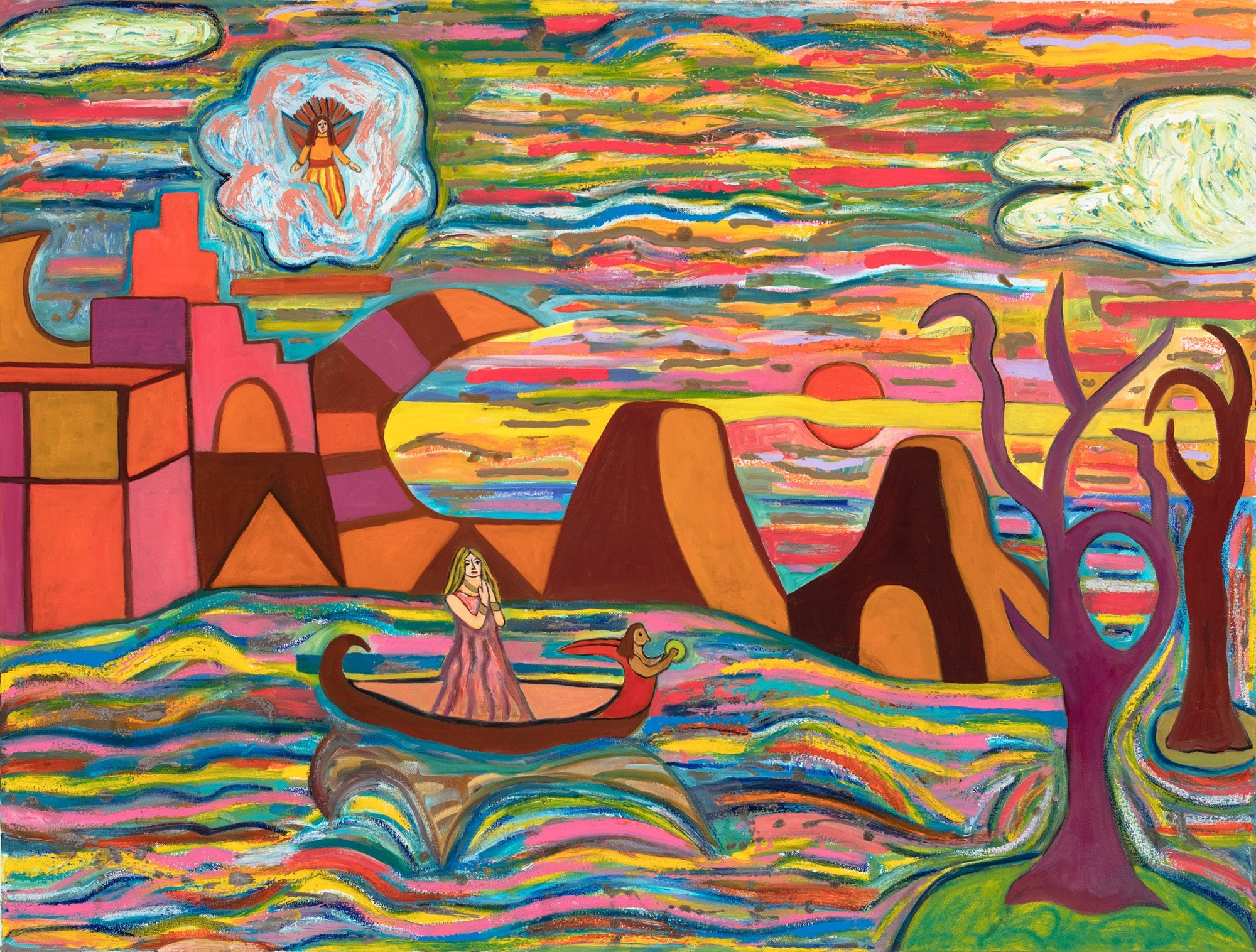
A.I.R. Gallery presents _Inevitable, inveterate_, a group exhibition of 14 A.I.R. Members. Since its founding in 1972, A.I.R. has posited that feminist art is not defined by a particular genre, medium, or style but rather emerges from an ethos of horizontality, collectivity, and mutual care—and all of their attending frictions. The exhibition's title was inspired by correspondence between A.I.R. founding member Rosemary Mayer and her sister, poet and artist Bernadette Mayer. In one letter, Bernadette writes " [...] since the book is finished I'm dying still to be feeling that I'm writing something, I can't stand not to be working, I'm inevitable, I mean inveterate worker [...]" [1] Whether a Freudian slip of the fingers or a deliberate play on words and sounds, Mayer's turn of phrase characterizes the urge to make work as a compulsion that persists across time. And while the act of creating might be inevitable, the work that emerges from such a practice need not constitute a teleology. Rather, it contains the potential for diverse iterations and manifestations, spooling forth like Mayer's extended sentence. Throughout the exhibition A.I.R. members reference and expand upon the materials and tools at their immediate disposal. Dead leaves, found cactus roots, repurposed cardboard, and the art historical canon represent just some of the rich fodder for creative experimentation. Elsewhere, artists find inspiration in other women throughout time and space, like the Mayer sisters sending each other letters or like the present-day reader searching for camaraderie and inspiration in their correspondence. _Inevitable, inveterate_ offers a glimpse into some of the individuals and creative practices that make up the longest running alternative art space in the United States for women artists, positioning them within a larger feminist legacy and hoping to make visible the bonds—aesthetic, social, and conceptual shared between them.