RAM Showcase: African Adornment

Racine Art Museum
441 Main St, Racine, WI 53403
Wed-Sat 10am-4pm
Admission
Free Admission
About
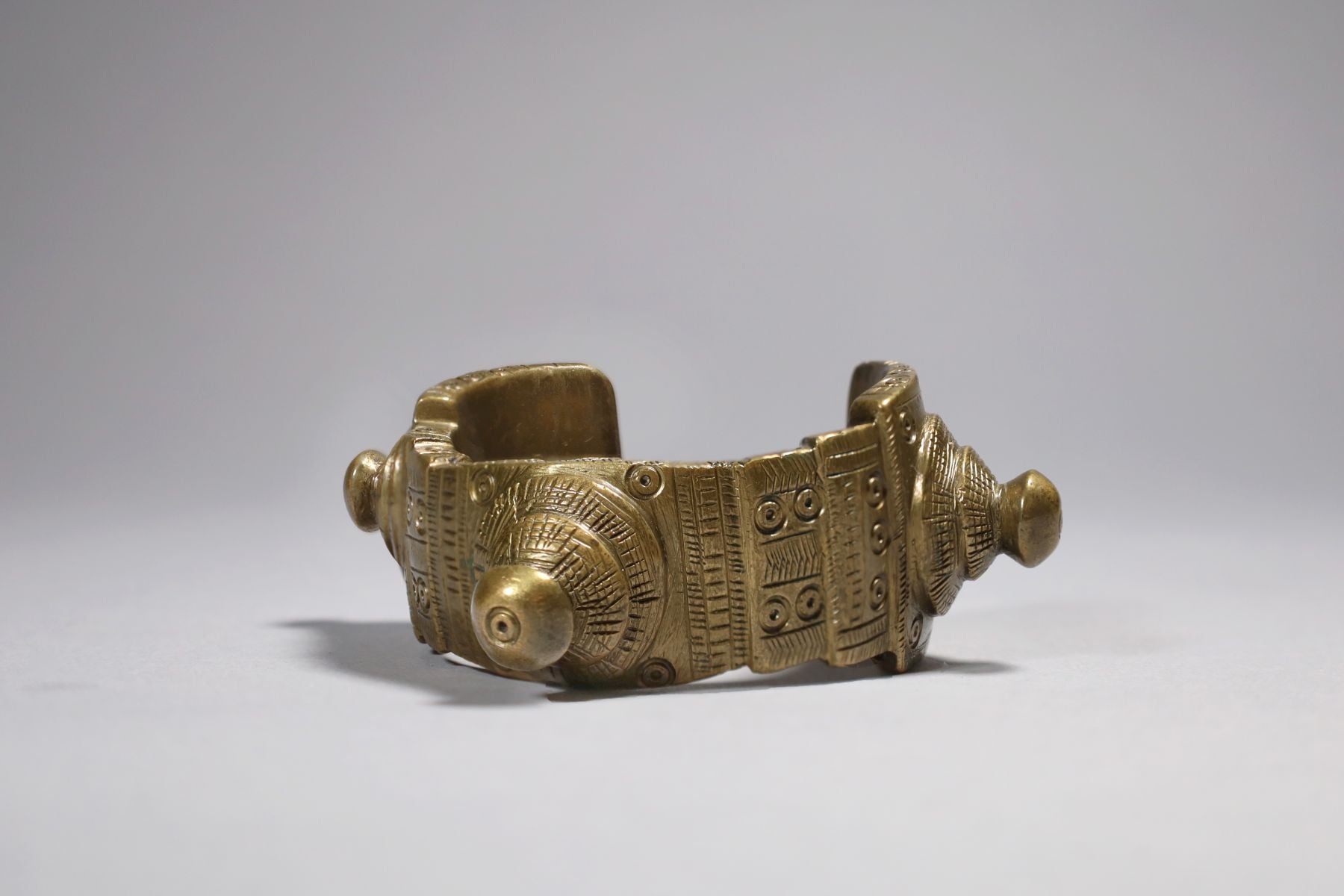
Implying a body whether or not one is present, adornment speaks to the human condition regardless of where, when, or by whom it was created or worn. People choose to adorn their bodies for a multitude of reasons, and how and with what they do it speaks volumes—forming a complex web of meaning linked to material or social value, luxury, fashion, emotions, status, wealth, and commerce. Not all societies approach these issues from the same perspective, but adornment can play a pivotal role in reflecting some or all of these concepts. This exhibition is comprised of objects with layered and potentially uncomfortable histories. Specifically, these works are from a collection of incised metal bracelets and neckpieces from West Africa that span the eighteenth through twentieth centuries. Objects like this were used as currency, often within a trade or barter network, in exchange for local agricultural and luxury products. However, they were also often used in transatlantic slave trade negotiations. Recognizing the complexity of this kind of work and sensitive to its compelling history, RAM staff wanted to find an informed and authentic context to share it. To that end, RAM engaged contemporary jeweler Tanya Crane, who addresses historical connections and layers of existence in her own work, to respond to what she sees within these pieces. Crane's exhibition in a nearby gallery features neckpieces, brooches, and bracelets that she created, reflecting both her aesthetic style and the influence of the African metalwork as well as other patterns connected to global Indigenous communities. RAM's collection is mainly comprised of art jewelry—wearable and decorative pieces that express ideas and explore materials or the potential of design. This work may be made just for an exhibition, not necessarily to be worn on the street (if it is even wearable at all). Rooted in theory and experimentation, this framework of production is very different than the one that supported the historical African adornment. Those pieces—collected by someone interested in coinage and currency—still connect to concepts of value and social status but in a way that is different than the concepts that frame the art jewelry in the rest of the collection. Arriving at the museum with only countries of origin and approximate dates noted, these objects cannot be distinguished by the names of the makers or those who wore them, however important those things are in their history and life prior to their time in a private and, finally, public collection. Tanya Crane's response serves to ground the work in a continuum of making and provides a context that can empower the voices that are speaking (of makers or wearers), even over time and distance.