This Side of the Stars: Rauschenberg's "Stoned Moon" in the Company of Kite, Paglen, and Yi
Robert Rauschenberg, Kite, Trevor Paglen, Jason S. Yi
Haggerty Museum of Art
1234 W Tory Hill St, Milwaukee, WI 53233
Mon-Sat 10am-4:30pm
Admission
Free Admission
Free and open to the public
About
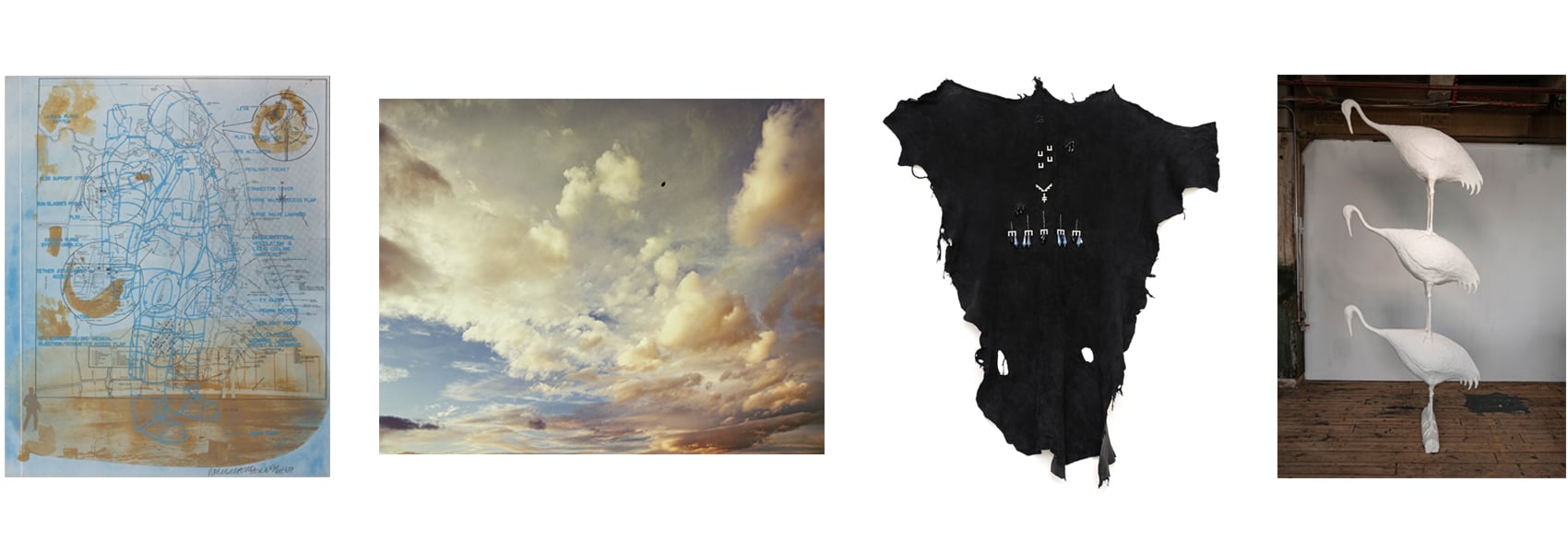
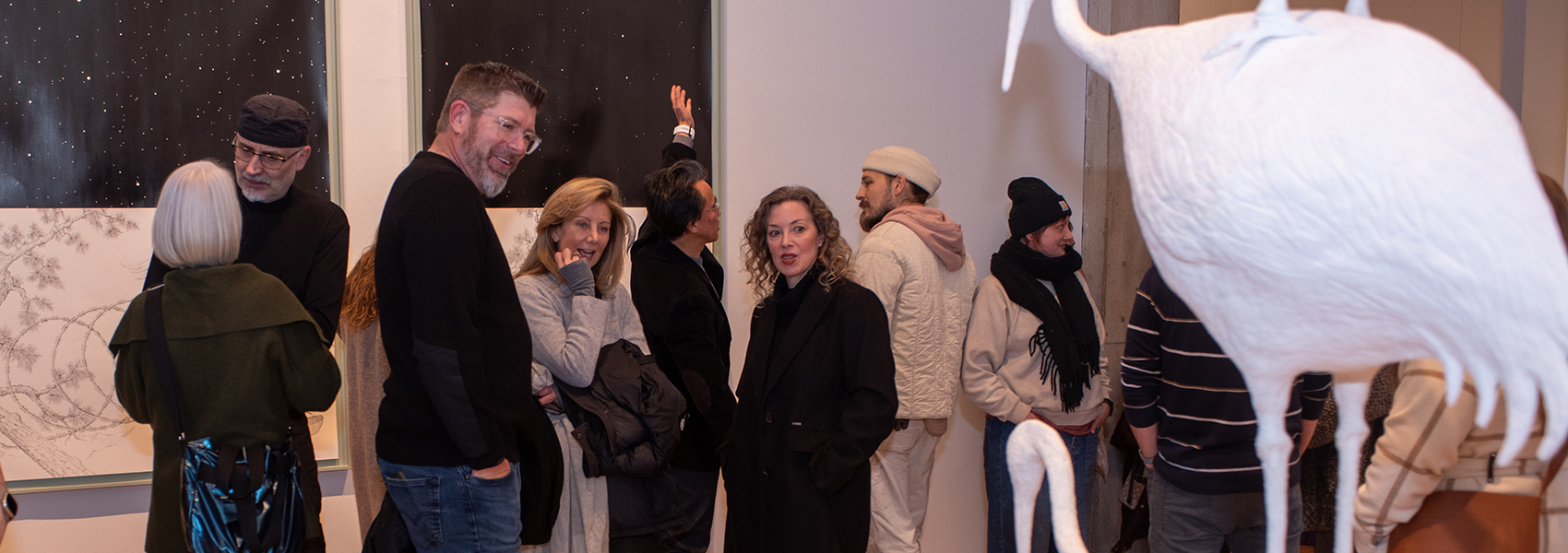
In the 100th year since the birth of pioneering artist Robert Rauschenberg (October 22, 1925 – May 12, 2008), this exhibition highlights a selection of the artist's Stoned Moon prints from the Haggerty's collection shown alongside the work of three active artists: Oglála Lakȟóta performance artist, visual artist, and composer Kite; artist, geographer, and author Trevor Paglen; and Milwaukee-based multimedia artist Jason S. Yi. Rauschenberg's color lithographs spark a conversation about humanity's technological ambitions across the modern era that is brought into our current moment through these artists' recent work. Kite's dyed deer hides embroidered with Lakȟóta geometric semiotics are meditations on black holes, functioning also as sonic scores. Paglen's sumptuous photographs capture unidentified flying objects both in and beyond Earth's atmosphere, raising questions about surveillance by human and non-human actors. Yi's installation of Red-crowned cranes cast from mulberry pulp, forms a towering column of the endangered birds that have found a resurgent nesting ground in the demilitarized zone separating North Korea and South Korea. For his large-scale Stoned Moon lithographs, Rauschenberg drew on his experience witnessing the Apollo 11 lunar launch, melded with a range of popular imagery and NASA-provided photographs to reflect on a new sense of human possibility brought about by a leap in technological potential. The three contemporary artists featured in this exhibition consider the ethics of technological innovation and its varied outcomes by taking up current issues such as covert surveillance, humans' relationships with the non-human, and the upspring of new life under repressive conditions. These artists prompt us to reconceive the dividing lines between what we know and what we believe, between human and non-human agency, and between our impact on nature and its response.