Embroidered Traditions from Morocco to Afghanistan

Art Institute of Chicago
230 S Columbus Dr, Chicago, IL 60603
Mon 11–5, Tue Closed, Wed 11–5, Thu 11–8, Fri–Sun 11–5
Admission
Free Admission
About
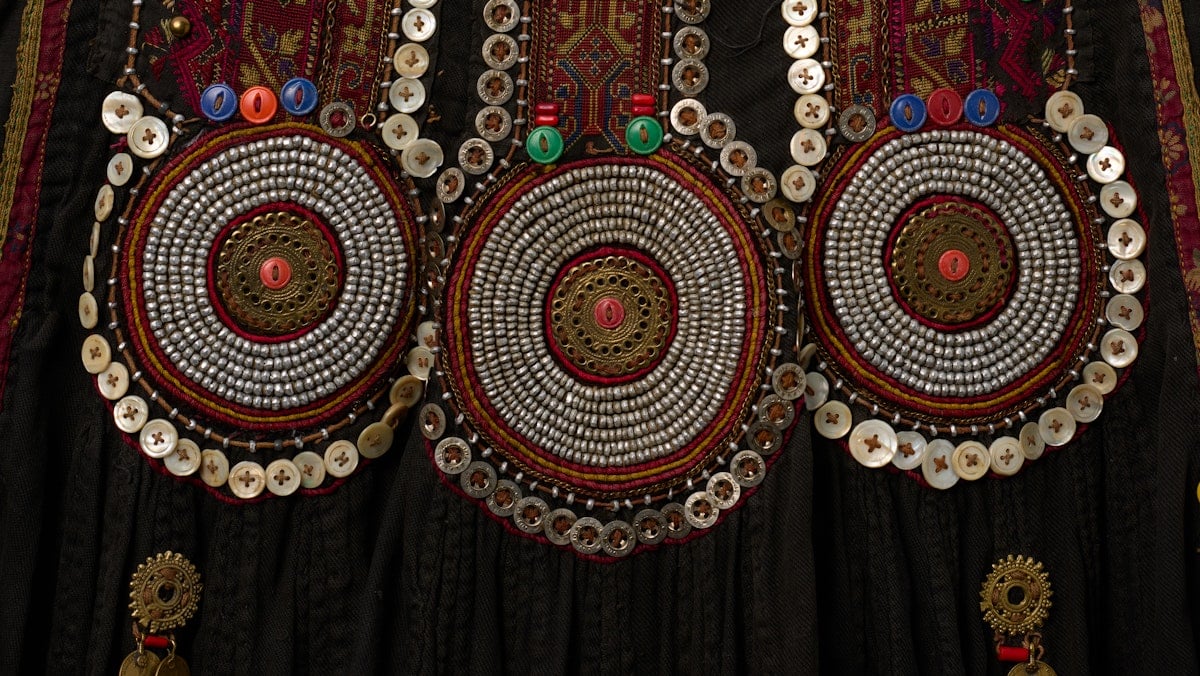
In the textiles of Southwest Asia and North Africa, embroidery is more than surface decoration. In this region, known as SWANA, artists have used, and continue to use, centuries-old embellishment techniques to transmit cultural expressions of identity, status, and long-held belief systems. Cultural groups throughout the region wear layers of dress and adornment to protect their bodies physically and spiritually. Garments and household items are ornamented with valuable materials that function as wearable wealth, including symbolic motifs and designs constructed with coins, thread, beads, amulets, ornaments, and jewelry. The vast area that spans from Morocco and Algeria in the west to Afghanistan and Uzbekistan in the east is connected by millennia-old trade networks. The works presented reveal pathways of deep cultural exchange shaped by diverse landscapes—from mountains and deserts to seas—along with the movement of nomadic peoples and the spread and interweaving of multiple religious traditions and urban fashions. Embroidered Traditions from Morocco to Afghanistan is the first exhibition at the Art Institute of Chicago devoted exclusively to the artistic and cultural traditions of SWANA and spectacularly showcases the region’s distinctive beauty and iconic visual expressions. Drawn primarily from the Art Institute’s rich collection of textiles, jewelry, and adornment, this display presents over 70 works from the 18th through 20th century—most of which have never been exhibited publicly—including four rare face veils on loan from a private collector based in Riyadh, Saudi Arabia. Among the many other highlights are elaborately decorated garments from Syria, Yemen, Niger, and Egypt; silver and coral “treasure necklaces” from Morocco’s Anti-Atlas Mountains; richly embroidered linen panels from the Art Institute’s exceptional collection of Ottoman Turkish textiles; and a wedding blanket embroidered by the Marsh Arab (Ahwari) peoples of Iraq. The dazzling beauty, diversity, symbolism, and technical innovations of textiles and dress traditions across the SWANA region, long valued and sustained by the members of those communities, come to life in this exhibition.