Manatunga
George Nuku
Humboldt Forum
Schloßplatz, Berlin, Berlin 10178
Exhibitions: Wednesday to Monday from 10.30 am–6.30 pm. Tuesday is a regular closing day. Evening events usually start at 7 pm.
Admission
9 EUR
exhibition ticket for the Ethnologische Sammlungen und Asiatische Kunst is required
About
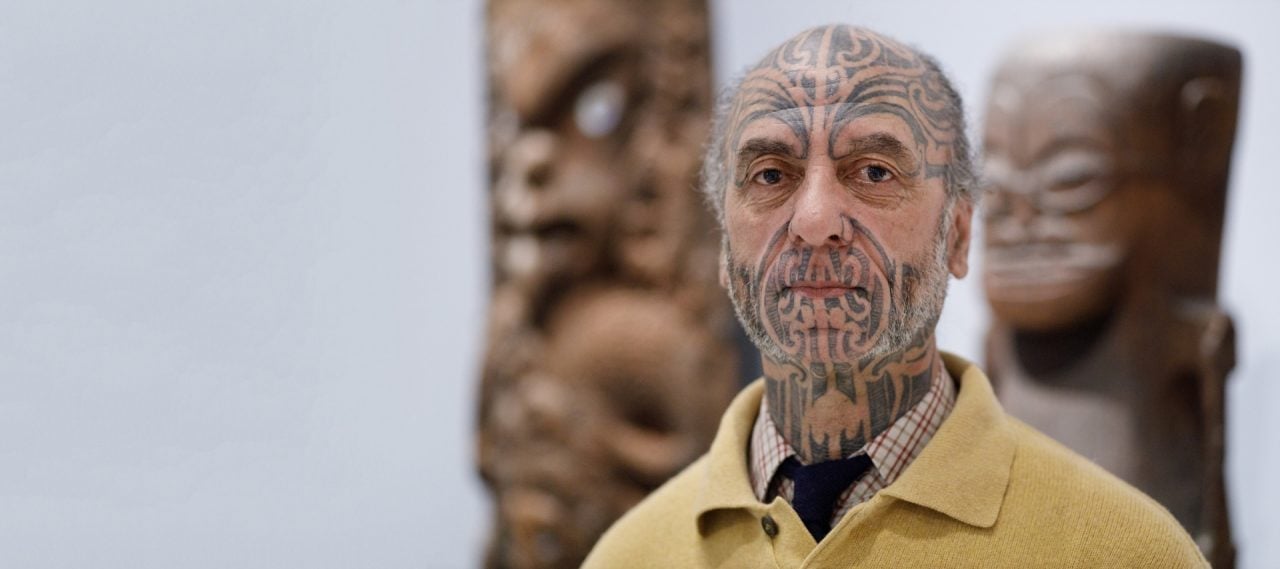
George Tamihana Nuku is one of New Zealand's leading contemporary artists. As a sculptor, he works with stone, bone, wood and shell, but above all with polystyrene and Plexiglass. From 18 May 2025, the Ethnological Museum will be presenting three large-scale interventions by the Māori artist in two rooms of the 'Oceania' exhibition area in the Humboldt Forum. These were created during two fellowships that George Nuku completed in March 2024 and from March to May 2025 as part of the _The Collaborative Museum_ initiative. George Nuku about the title of his exhibition: "_Manatunga is the Māori word given for precious objects, heirlooms and ancestral treasures. The word itself implies that they are standing – up-right. It is also used in the context that these special pieces are concentrated repositories of histories and emotions._" The interventions created by George Nuku especially for the Oceania section of the Ethnologisches Museum's (Ethnological Museum) permanent presentation in the Humboldt Forum will be shown in two rooms: a large-format installation in the large boat hall (room 215) will focus on the relationship between humans and the sea and the influences of climate change and environmental pollution. Two further interventions are presented in room 219, where exhibits from Polynesia and their relationships to ancestors and deities are on display. In all three installations, Nuku takes up the theme of the exhibition rooms and establishes a connection to the objects from the Ethnologisches Museum's Oceania collection on display there. The contemporary artworks allow a new perspective on the historical objects. In the large boat hall, Nuku places a _waka_ (New Zealand canoe) made of Plexiglass on the large coral reef display case, steered by 5 men: the Māori demigod Māui and his four brothers. Māui pulls plastic sea creatures out of the sea with a large fishing hook. George Nuku takes up the theme of the boat room, showing the power of _Te Moananui_ – the 'big blue' – and the significance of the _waka_, which enabled humans to colonise this ocean in the first place. The five men made of Plexiglass hold historical paddles or bailer in their hands, the ends of the Plexiglass _waka_ are decorated with historical sterns from the collections of the Ethnologisches Museum. George Nuku is showing two works in room 219: The gable of a Māori meeting house made of Plexiglass surrounds three ancestor or god figures made of wood or stone from Aotearoa / New Zealand, the Marquesas Islands and Rapanui, and vis-à-vis, a Plexiglass gable construction shields the wooden figure of the god Sope from Nukuoro. The second artwork shows four ancestor figures made of Plexiglass in the style of historical Māori carvings, surrounded by specially designed display cases, that carry or hold weapons and jewellery from the Ethnologisches Museum's collections.